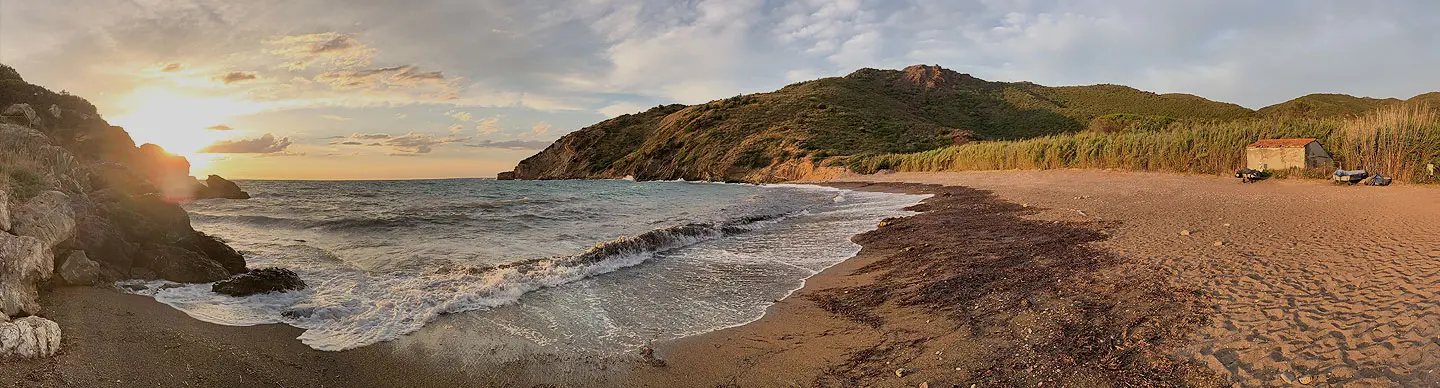
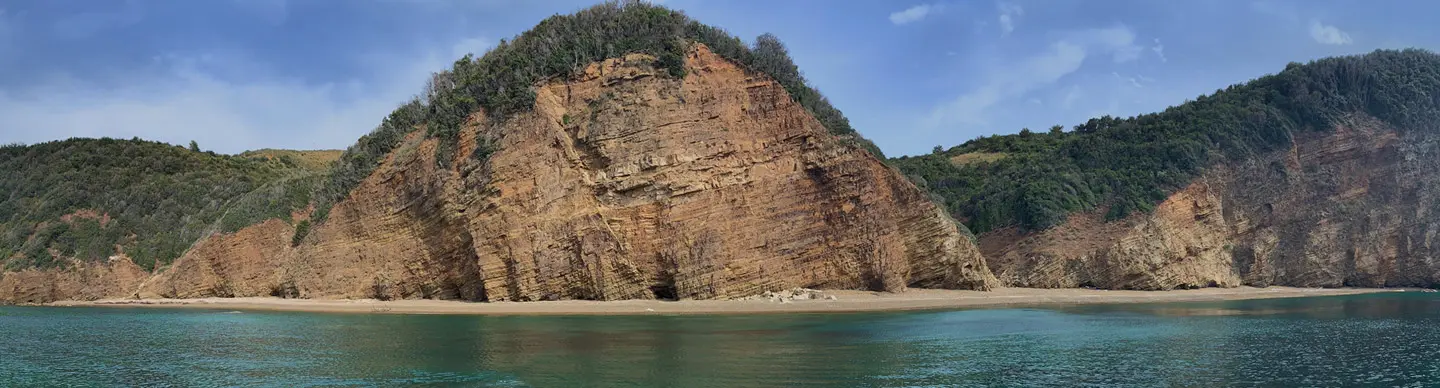

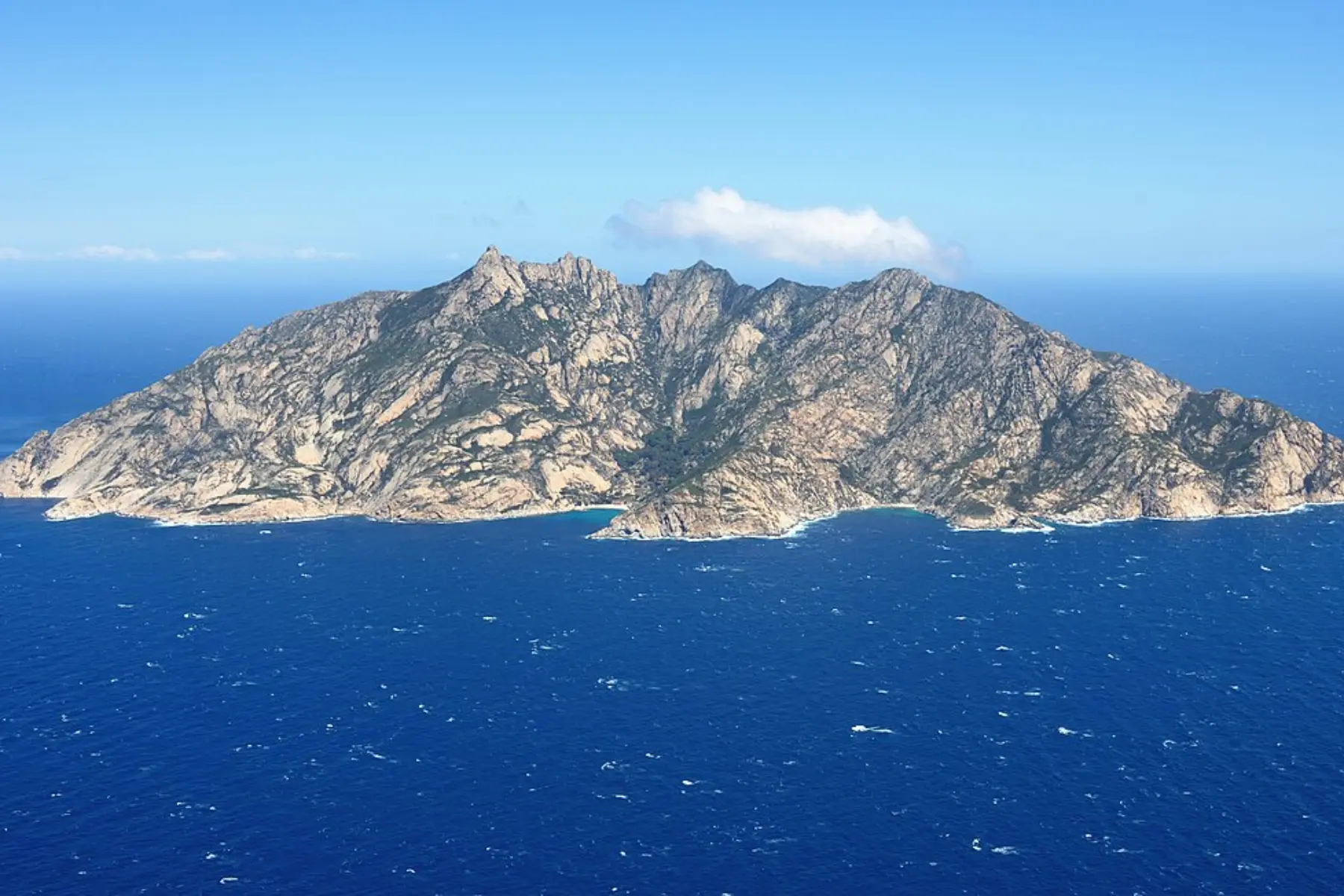
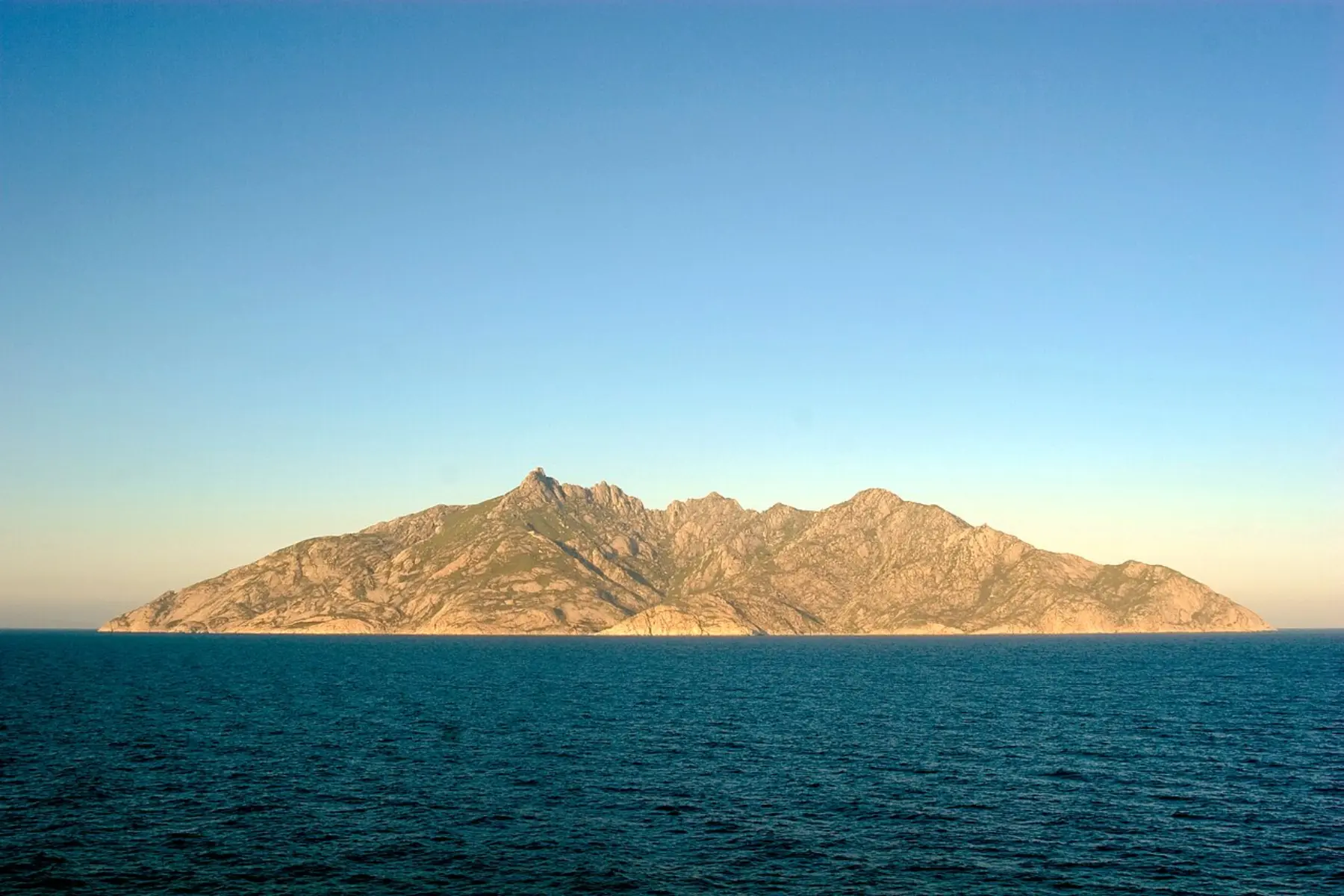
Few places in the world manage to be simultaneously so close and so unreachable. The Island of Montecristo can be seen from Elba on clear days, sitting out there in the sea like a piece of rock forgotten by time, yet entering it requires a bureaucratic procedure that puts most people off and rewards only those willing to organise themselves months in advance. This article explains exactly how to do it.
The Island of Montecristo: an almost inaccessible place
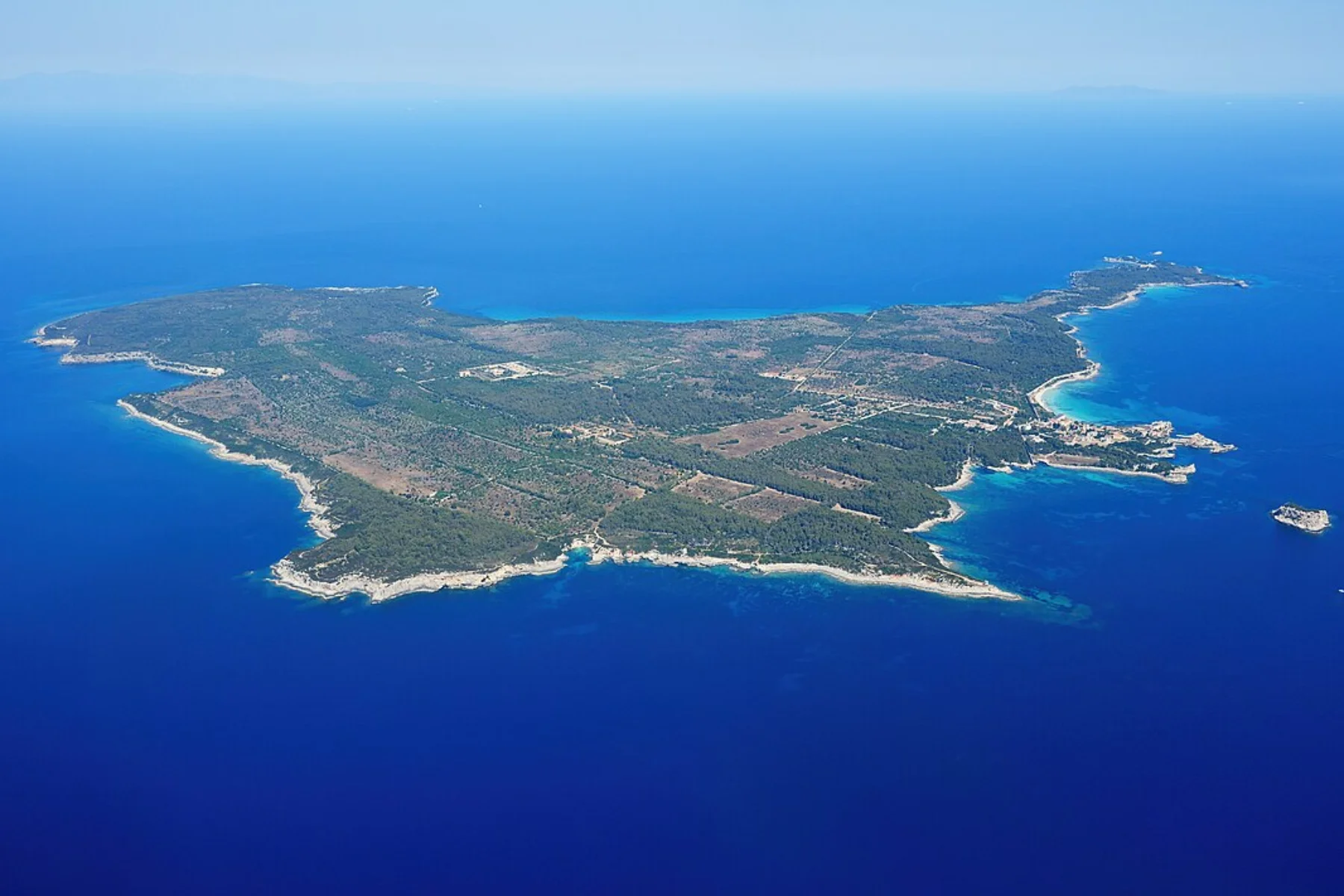
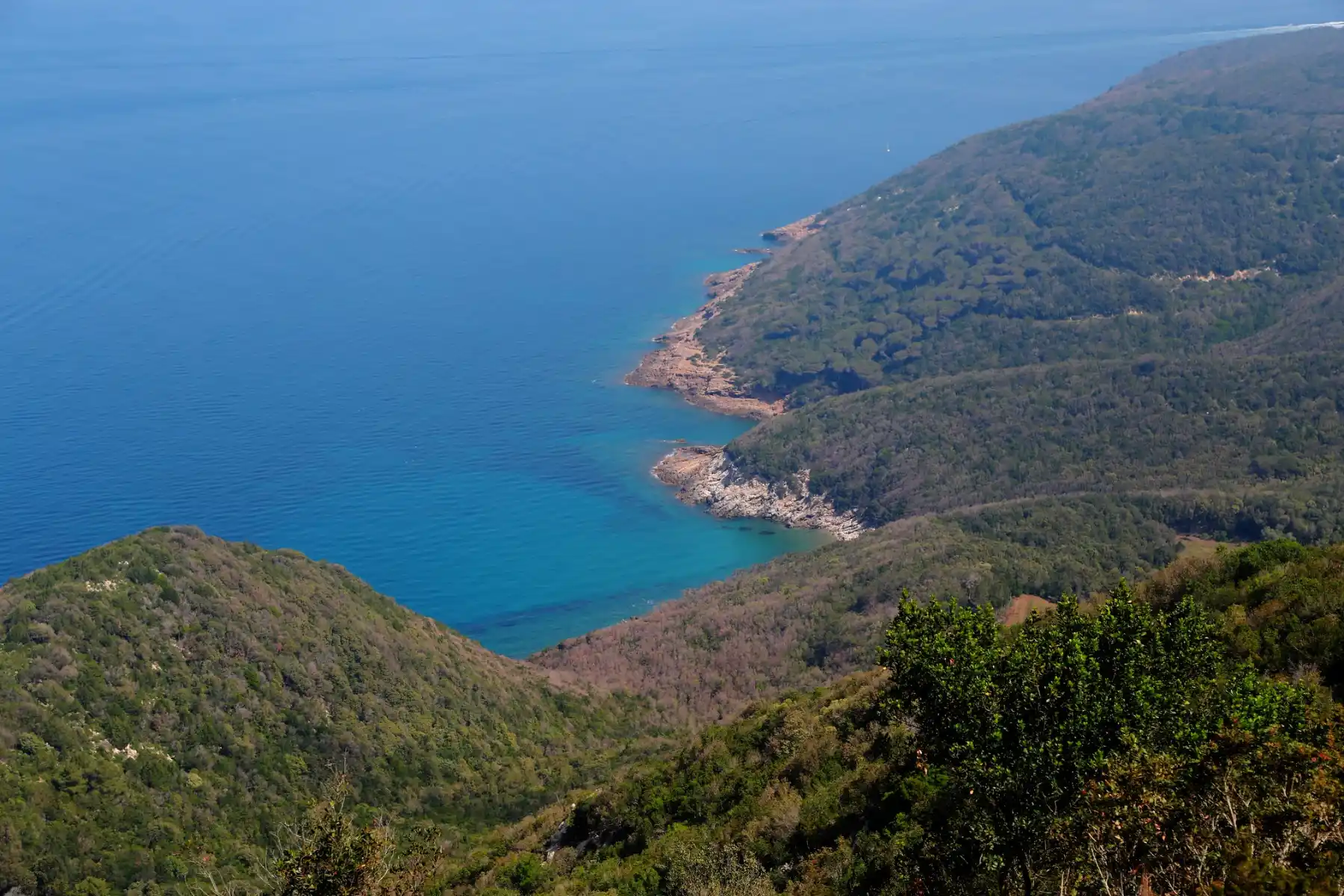
Montecristo lies about 22 nautical miles (48 km) south of the Island of Elba, in the heart of the Tuscan Archipelago. It is not just any protected island: it is classified as an Integral State Nature Reserve, the most restrictive protection category provided for by Italian law. This means access is limited to a minimum, nothing can be touched or altered, and even approaching its coasts with a private boat without a permit is costly, with very heavy fines.
The island is not managed by the National Park (a detail that often causes confusion), but directly by the Ministry of the Environment through the Carabinieri Forestali. Access applications must be sent to a different body from the one that manages Pianosa or Capraia.
Why is the Island of Montecristo famous?
The island’s fascination is inextricably linked to literature. Alexandre Dumas set the adventures of the Count of Montecristo here, making the legendary treasure cave a worldwide symbol. But Montecristo is above all one of the best-preserved ecosystems in the entire Mediterranean: the wild goat, the Cory’s shearwater, the Eleonora’s falcon and plants that have disappeared elsewhere all live here. The difficulty of getting there is the only reason this paradise still exists.
How many people can visit Montecristo: the cap on numbers
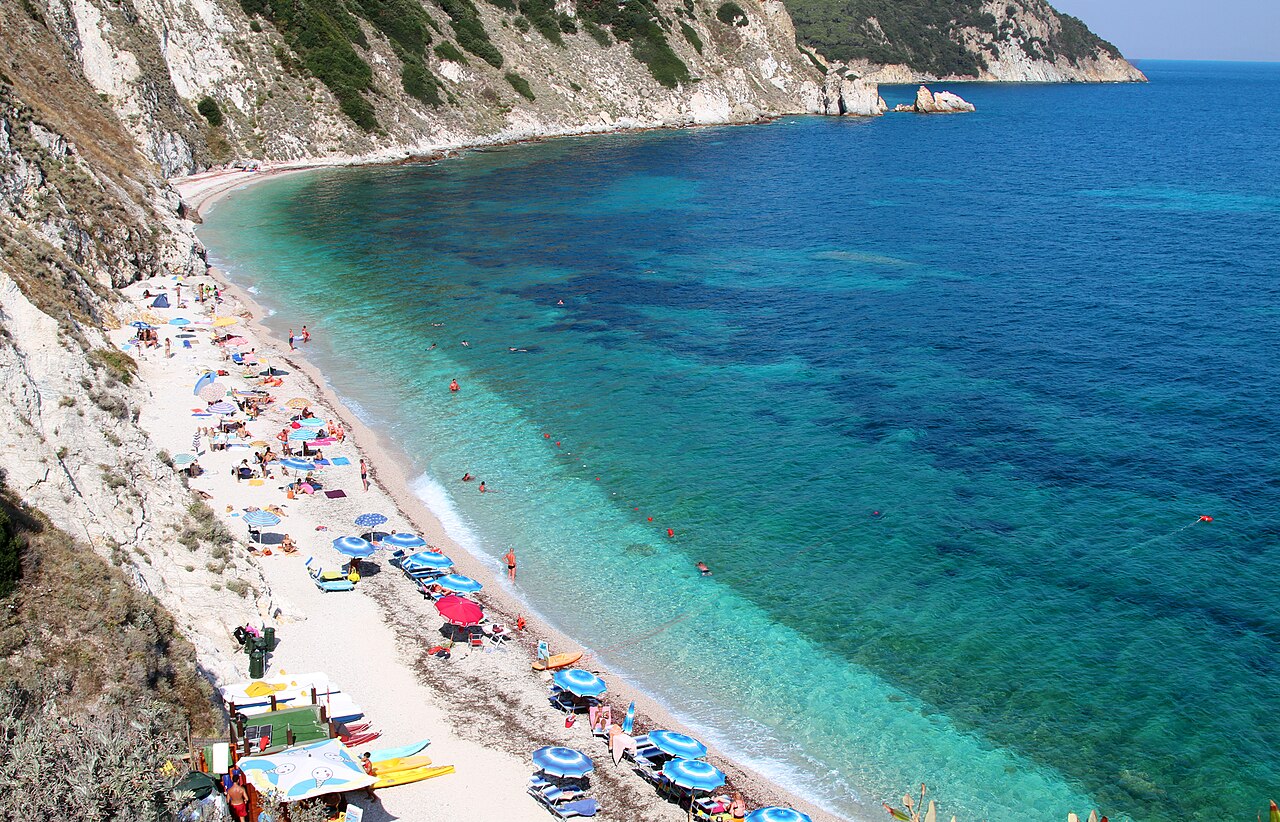
📷 Photo: Sansa55 /Wikimedia Commons – Isola di Montecristo (CC BY-SA 4.0)
Each year the permits to land on Montecristo are very few: about 2,000 people in total, divided between researchers, journalists, schools and ordinary visitors. The tourist quota is truly limited, making this trip one of the most exclusive and hardest-to-book experiences in the entire Archipelago.
The island’s ecosystem, already severely tested in the past by the introduction of invasive species (rats and mouflon, in particular), cannot withstand significant tourist flows without suffering damage.
Before proceeding with any application, it is advisable to check the quotas available for the current year on the official Ministry website (mase.gov.it), as the numbers are updated periodically.
How to apply for a visit permit
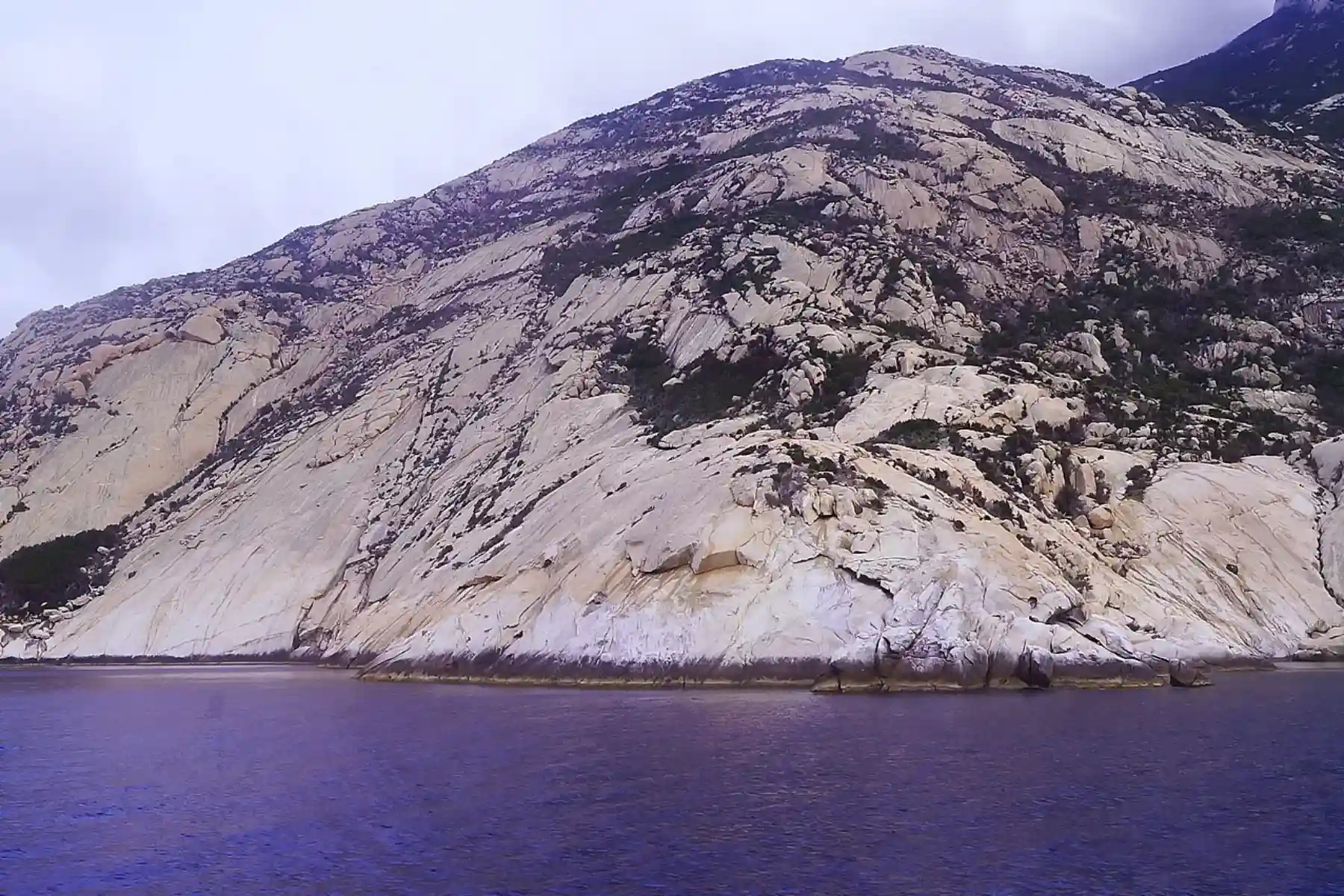
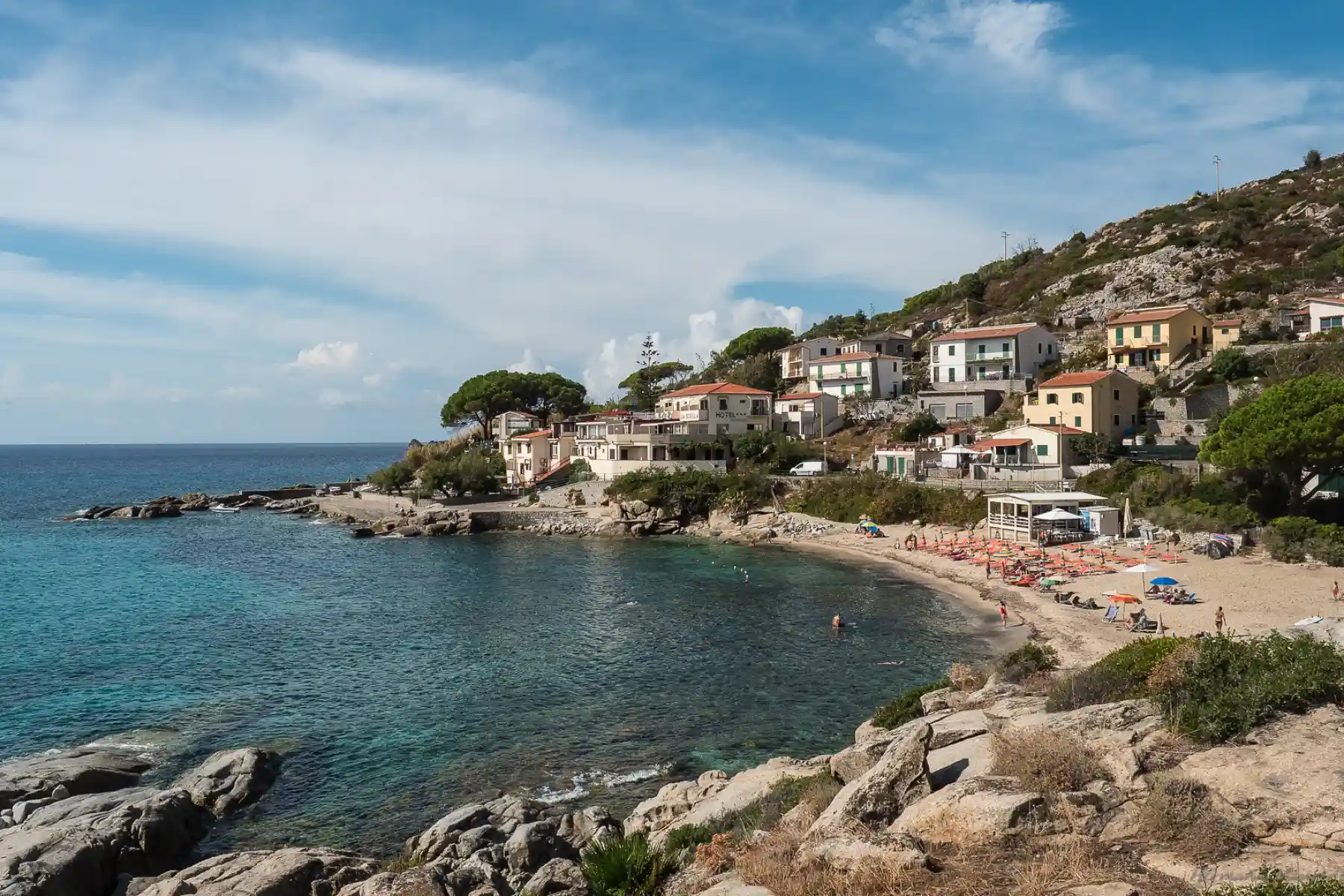
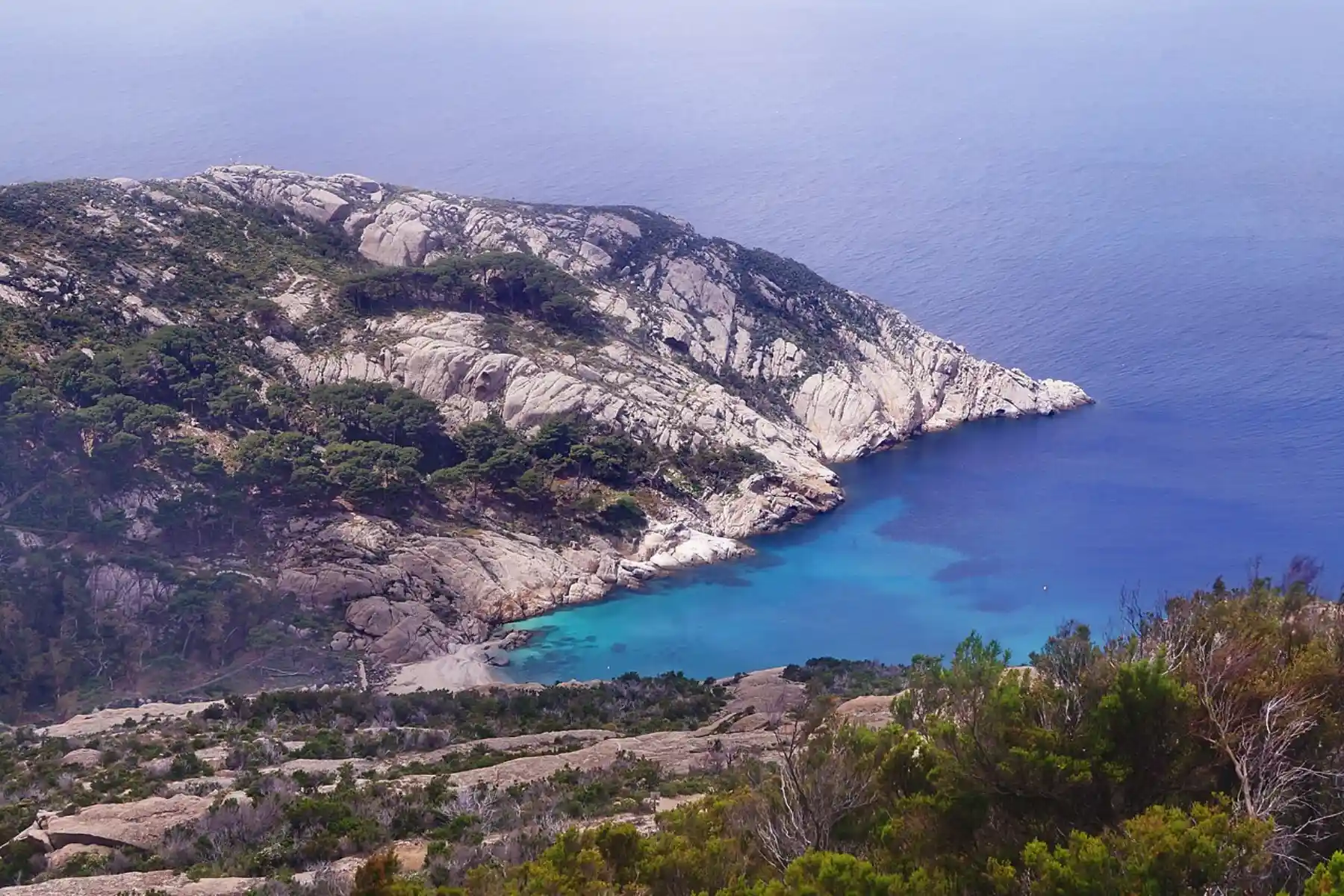
📷 Photo: Sansa55 /Wikimedia Commons – Isola di Montecristo (CC BY-SA 4.0)
The official procedure
The body that manages the permits is the Nucleo Carabinieri Forestali di Follonica. The application must be submitted in writing and must state the reason for the visit, the number of people, the preferred dates and the personal details of all participants. For categories with facilitated access (researchers, journalists, educational operators) it is necessary to attach documentation proving membership of the category.
The application windows usually open in the winter months for visits in the following season. Submitting the application well in advance is essential.
The waiting list
Applications that arrive when the quota is already exhausted are placed on a waiting list. Response times vary and there is no guarantee that a place will become available: it depends on last-minute cancellations. Those with a concrete project (research, journalistic or photographic) have historically had slightly better chances than those submitting a straightforward tourist application. If the application is rejected, the only option is to try again the following year.
Categories with facilitated access
Scientific researchers affiliated with recognised universities or institutes, journalists holding a professional press card, nature photographers with a documentable project and environmental education operators have access to a reserved quota and, in theory, faster response times. In all cases documentation must be attached to the application: a generic declaration is not sufficient.
When Montecristo can be visited: the visiting calendar
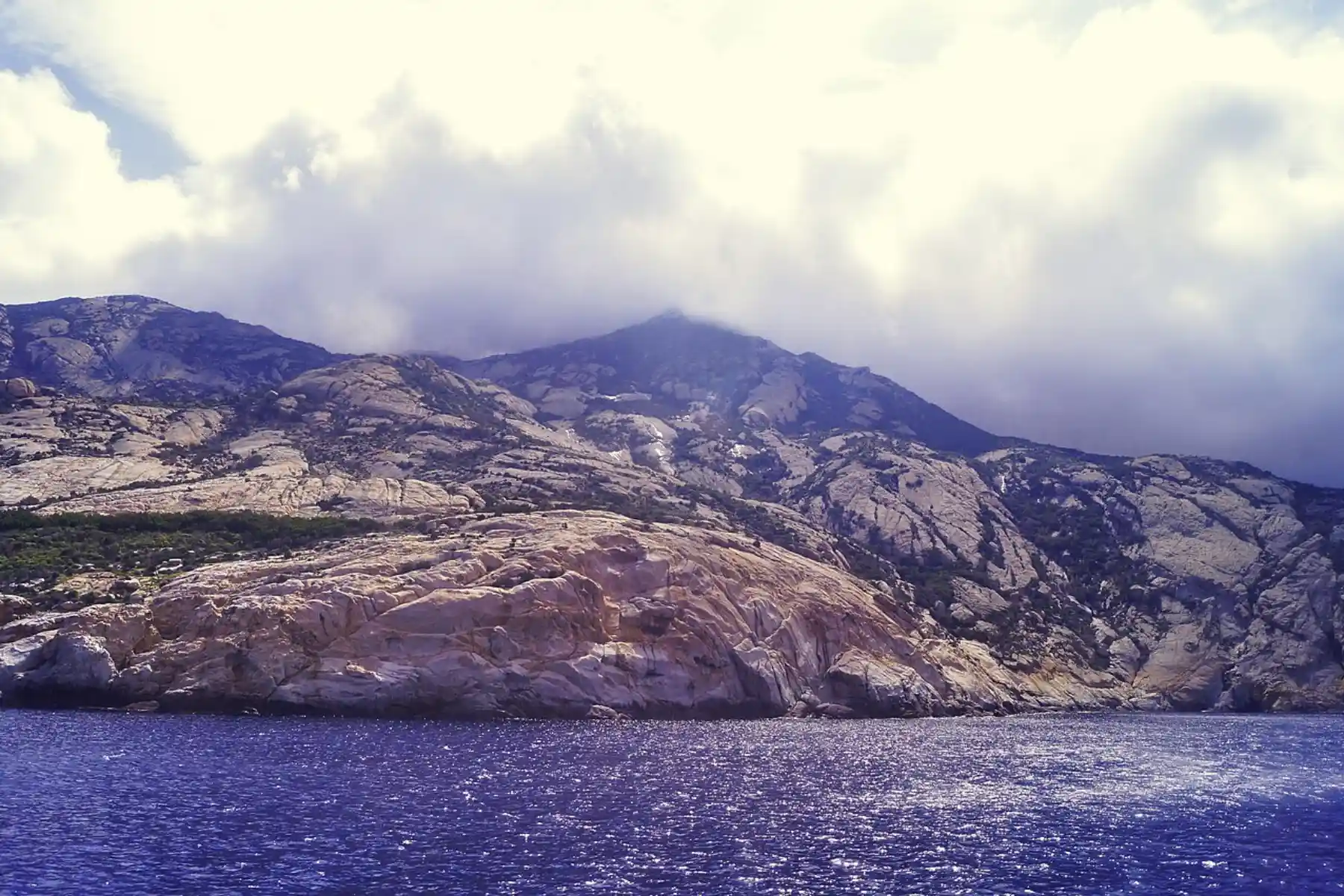
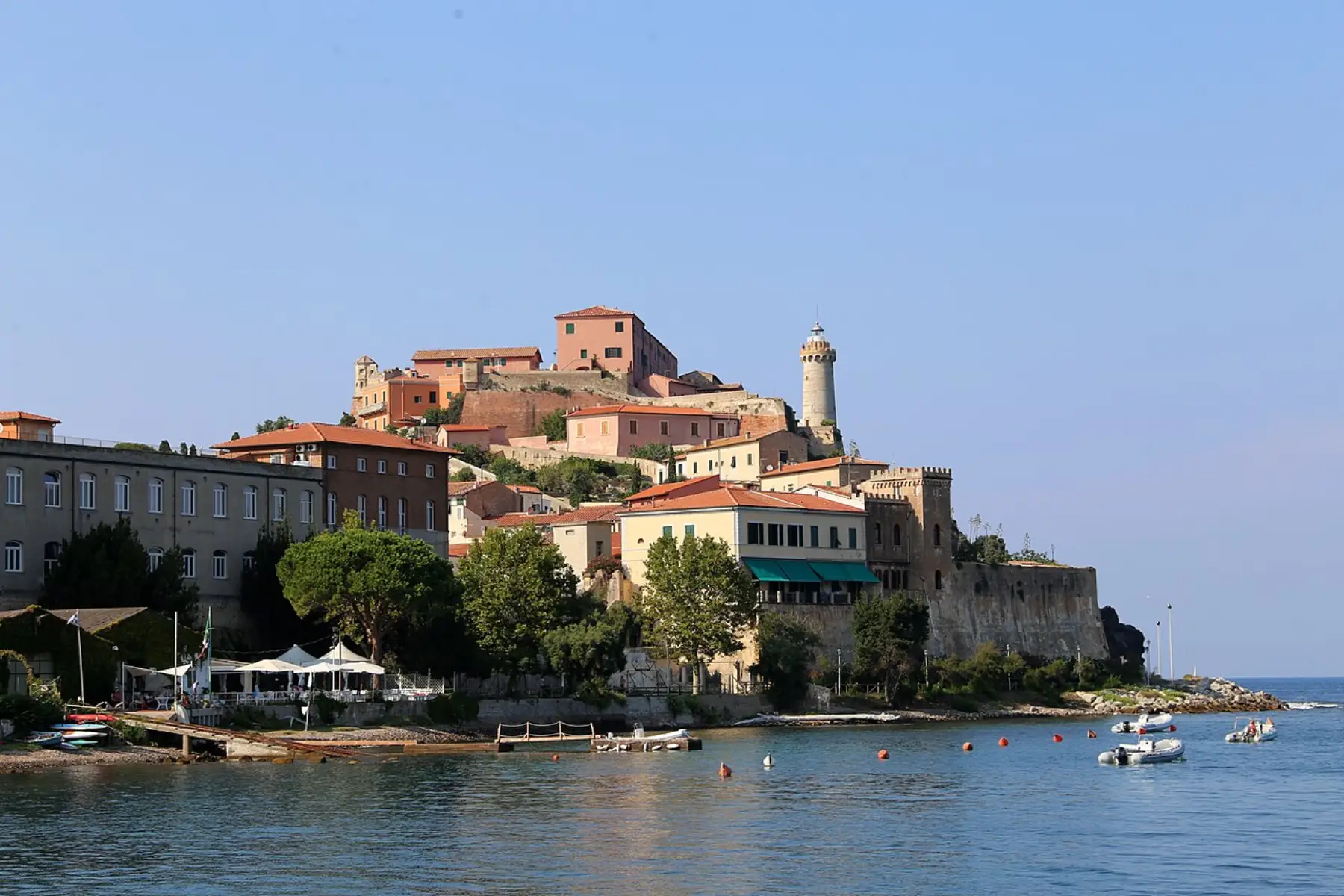
📷 Photo: Sansa55 /Wikimedia Commons – Isola di Montecristo (CC BY-SA 4.0)
Authorised visits take place broadly from March to September, with daytime access and an obligation to return within the same day. There is no possibility of staying overnight on the island, whether in the Villa Demidoff building, in a tent, or on board vessels anchored in the reserve’s waters.
Spring is the preferred season for those who come for the flora: the flowering of the intact Mediterranean scrub is a spectacle rarely seen elsewhere in the Mediterranean. Summer brings the best sea, although underwater activities are subject to restrictions.
How to reach the Island of Montecristo
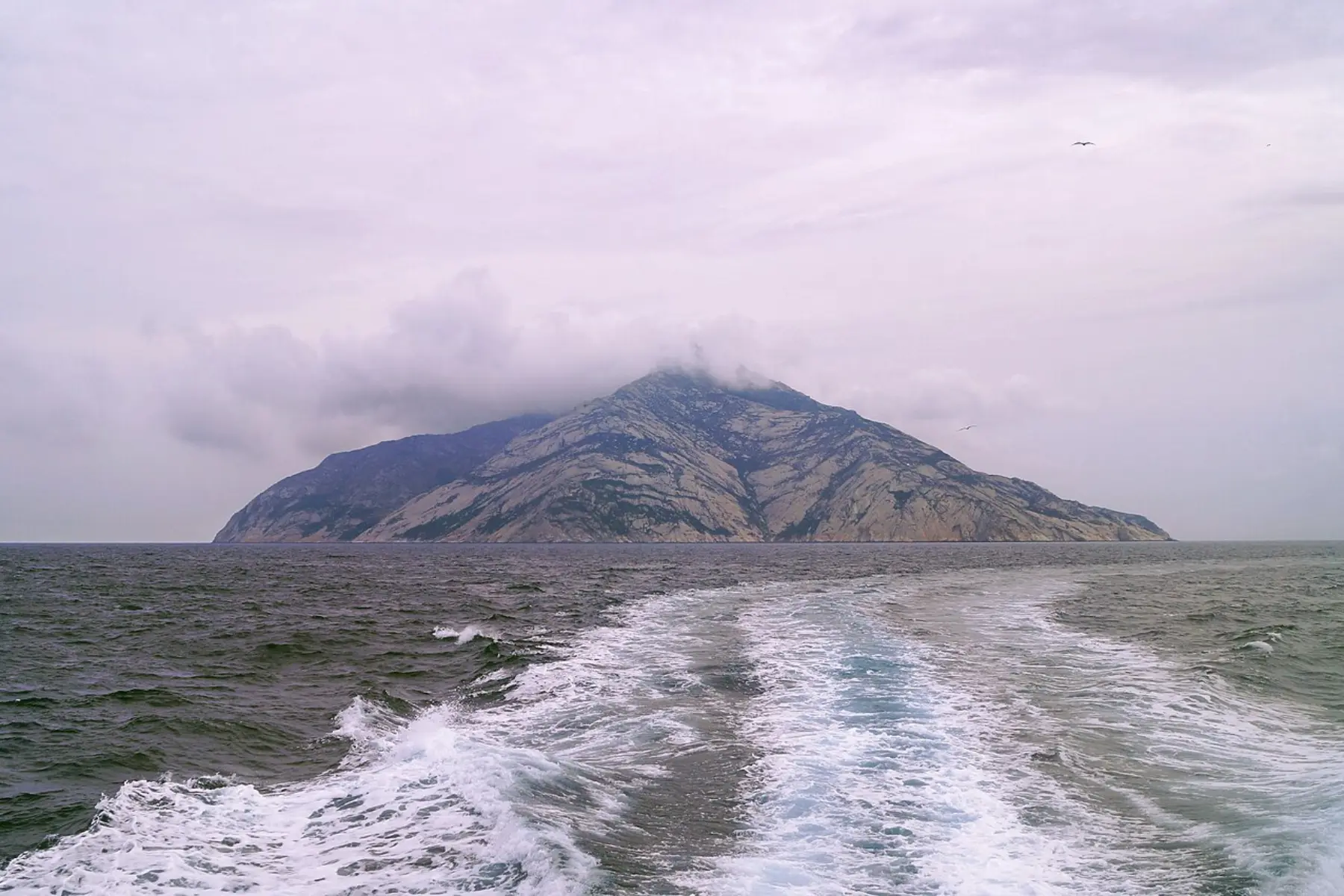
📷 Photo: Sansa55 /Wikimedia Commons – Isola di Montecristo (CC BY-SA 4.0)
There is no scheduled ferry service to Montecristo. The only way to get there is aboard a private vessel following the granting of a special permit, or by taking part in small-group guided excursions organised by the Tuscan Archipelago National Park.
The most convenient departure ports are Porto Santo Stefano (on the Argentario) and Portoferraio (on Elba), both approximately 50 km as the crow flies from the island. The return must take place on the same day: no overnight anchoring is permitted in the waters of the integral reserve.
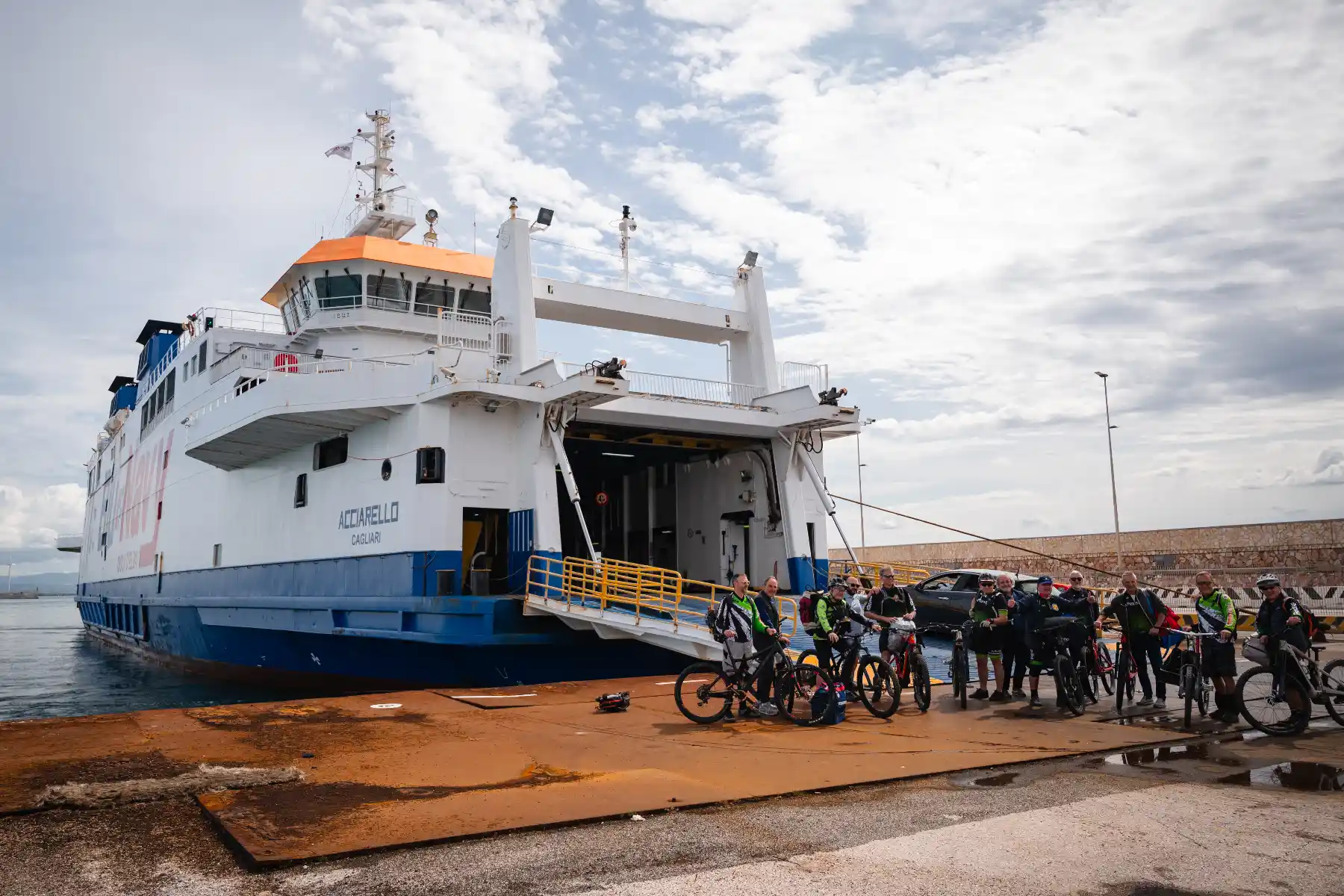
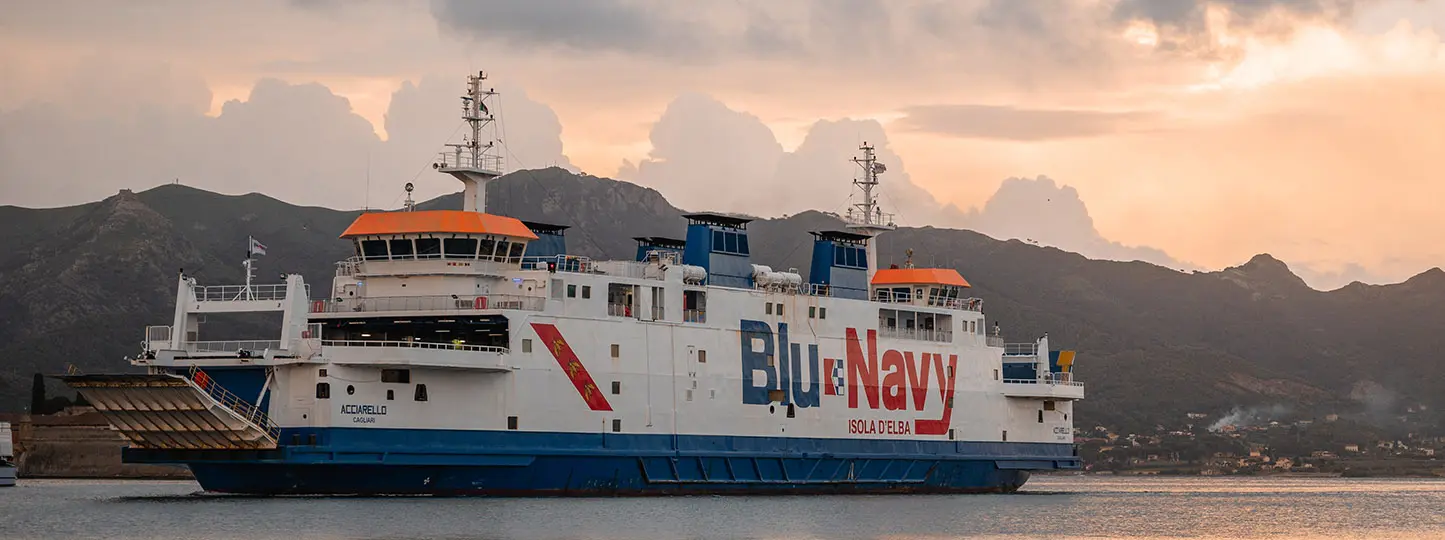
Those arriving from central or northern Italy can reach the area by taking the Blu Navy ferry from Piombino to Portoferraio and use Elba as a logistical base, both to organise the charter and to enjoy a few days’ stay while awaiting the authorised visit date.
What you can see and do on Montecristo
A visit to Montecristo resembles no other excursion in the Archipelago. There are no equipped beaches, bars or signposted routes for children. There is a 10 km² island that has remained almost intact, with everything that entails.
The Grotta di Montecristo is the place that made the island famous worldwide. The cave made famous by Dumas really exists. It is visited with a guide and is an incredible geological spectacle.
The endemic fauna is, for many visitors, the true reason for the journey. The Montecristo wild goat is an endemic subspecies found nowhere else in the world, a direct result of centuries of isolation. The Cory’s shearwater nests on the island in large colonies. The Eleonora’s falcon uses Montecristo as a staging post during migration.
The flora is equally exceptional: tree heath, strawberry tree, lentisk and phillyrea in a composition that on the more frequented islands of the Mediterranean survives only in fragments.
The sea around the island has a clarity and biodiversity that reflect decades of integral protection. Underwater activities in the most protected zones are subject to specific restrictions: check the details in the authorisation.
What you cannot do on Montecristo: the prohibitions
Prohibitions on Montecristo are decidedly strict, with the aim of safeguarding this corner of paradise.
• Fishing is prohibited, including sport fishing, throughout the entire reserve area.
• Collecting is prohibited of any element whatsoever: flowers, rocks, shells, artefacts of any kind.
• Animals are not admitted aboard vessels that reach the shore, to avoid the risk of biological contamination or stress to the local wildlife.
• Overnight anchoring is prohibited in the waters of the integral reserve.
Fines for those who break the rules or attempt to land without a permit are very steep and criminal sanctions are also a risk. Checks carried out by the Carabinieri Forestali are periodic and unpredictable.
Frequently asked questions about Montecristo
Can you visit Montecristo without a permit?
No. Accessing the island without authorisation is illegal and results in immediate sanctions. There are no exceptions for “just anchoring offshore” in the most protected zones of the reserve.
How much does the permit cost?
The permit itself has no cost; it is a free administrative authorisation. The real cost is that of the charter or private vessel to reach the island, which varies significantly depending on the port of departure and the operator. Only residents of the Tuscan Archipelago have discounted rates for visits to the island.
Can I go there by private boat?
Yes, but only with permit in hand. The waters outside the integral reserve are freely navigable; landing on and accessing the island require authorisation.
Is there phone signal on the island?
Poor or absent across most of the island. Bringing everything you need without counting on the possibility of making calls or consulting online maps is the way to go.
Cover photo: 📷 Photo: Carsten Steger /Wikimedia Commons – Aerial image of Montecristo (CC BY-SA 4.0)