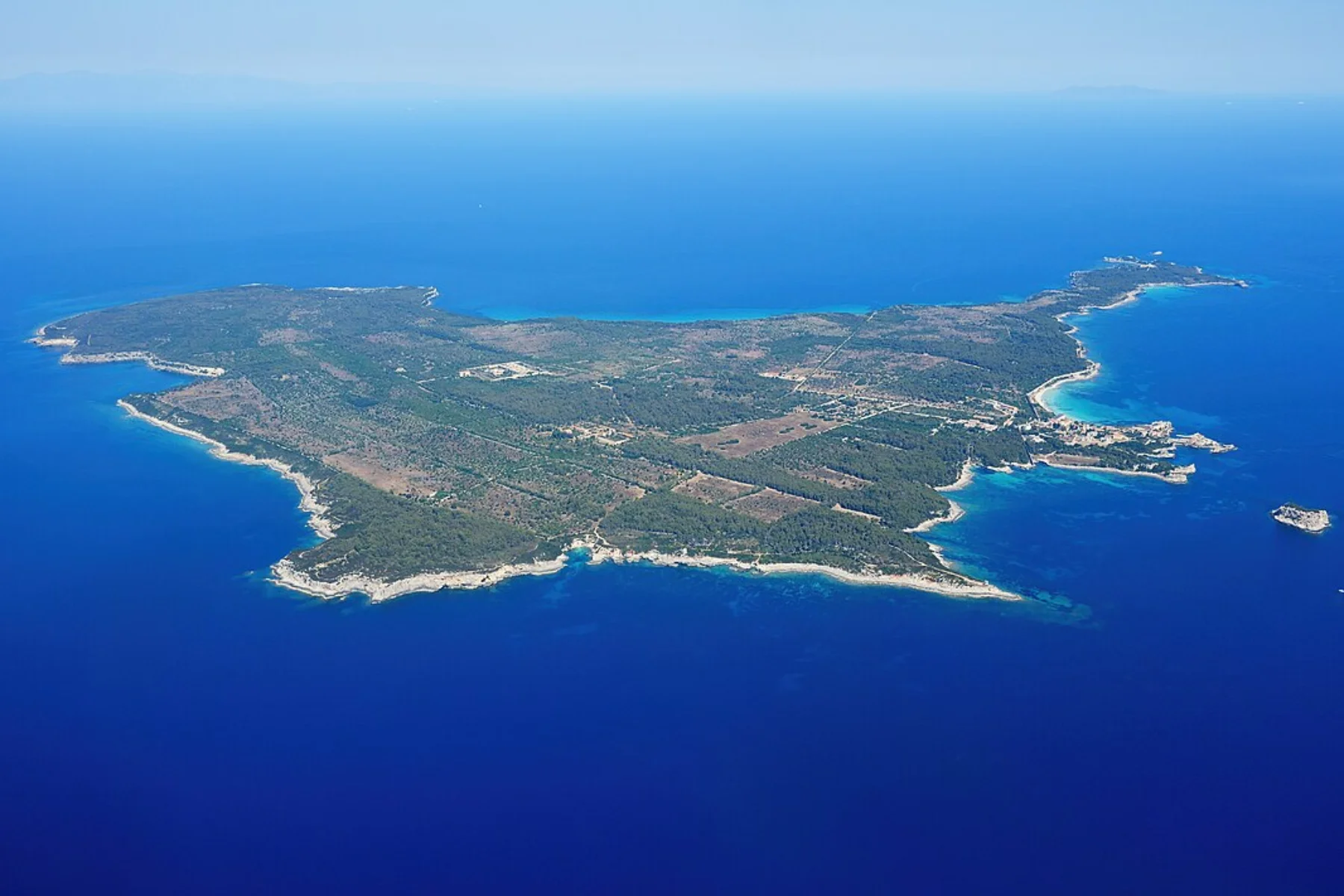
Where is the Island of Pianosa and why is it so special?
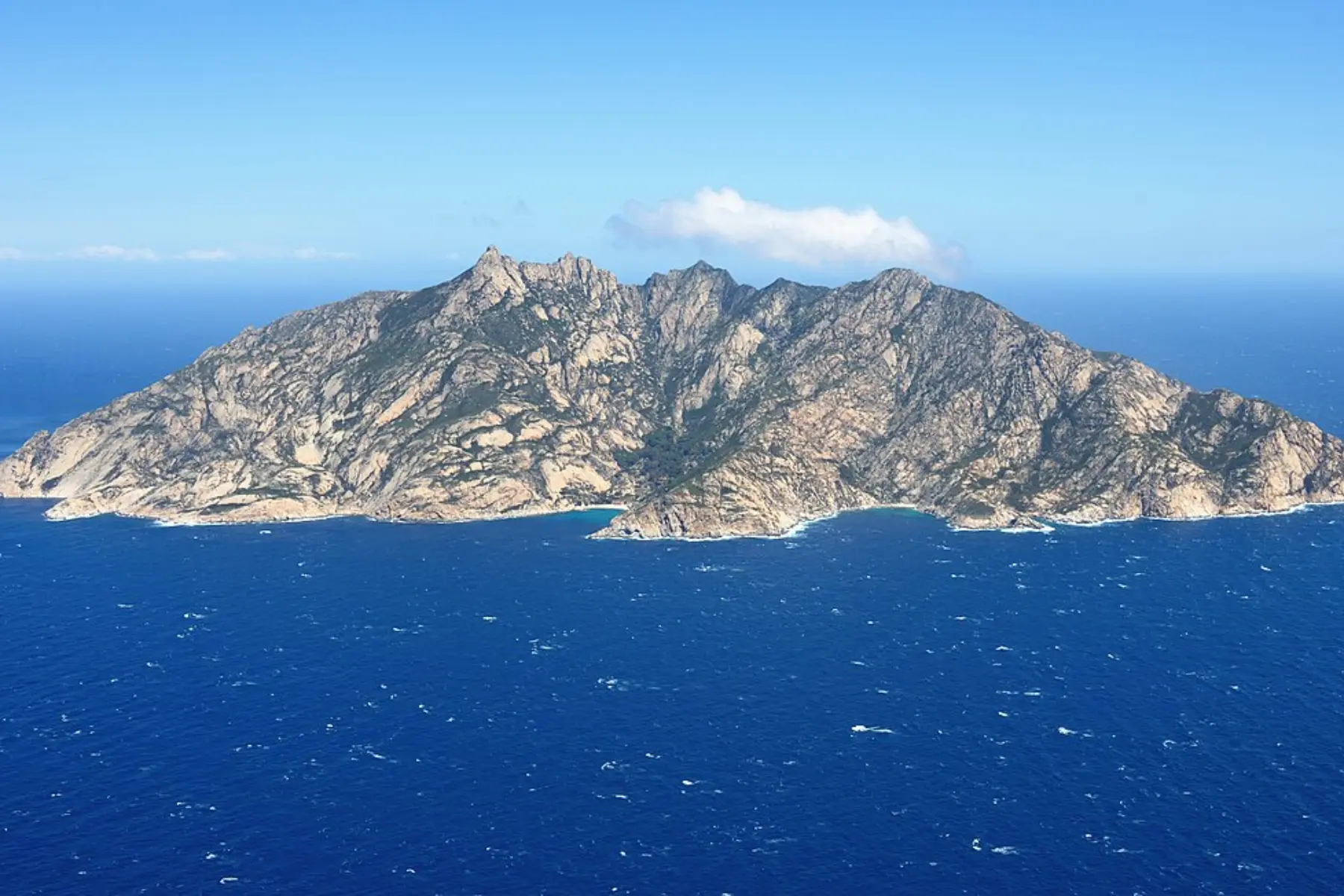
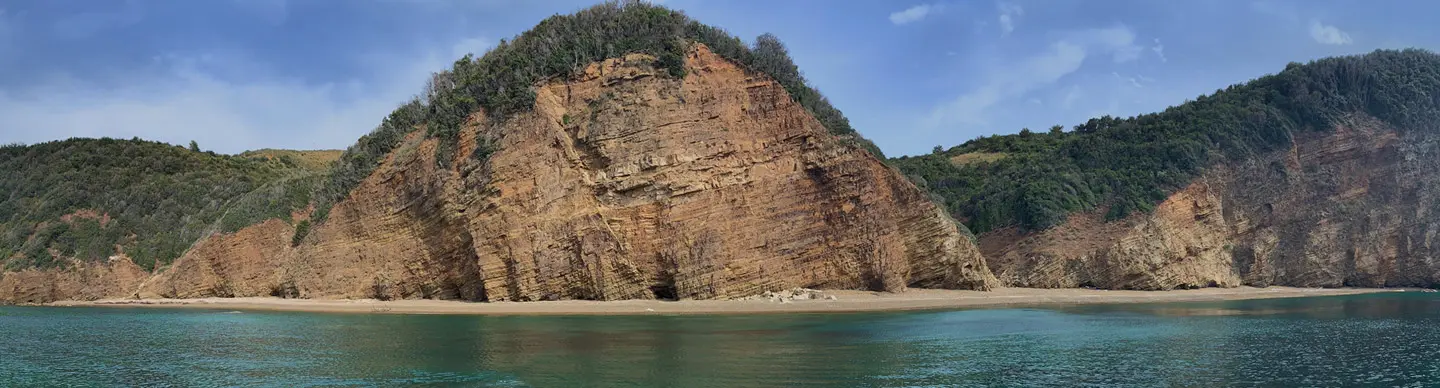
About 7.5 nautical miles (13 kilometres) by sea from Marina di Campo, the unmistakable profile of Pianosa emerges from the water. One of the wonders of the Tuscan Archipelago National Park, this is the flattest island of all (hence its name): its highest point does not exceed 29 metres, creating an extraordinary visual contrast with the deep blue of the water and the mountains of the neighbouring islands.
The history of Pianosa is long and, in certain chapters, dark. It was a penal colony from 1858 until 1998, when the last prisoner left the island and the prison was closed, returning it to silence and nature. Today it is open to the public but with a cap on numbers: there is only one hotel (open from 1 April to 15 October) and a small resident community, though a very limited one (the number of people living permanently on the island at this time is of around ten in total). Visitors arrive only on organised morning trips and leave in the afternoon, leaving the island exactly as they found it.
Regulated access: how the entry system works
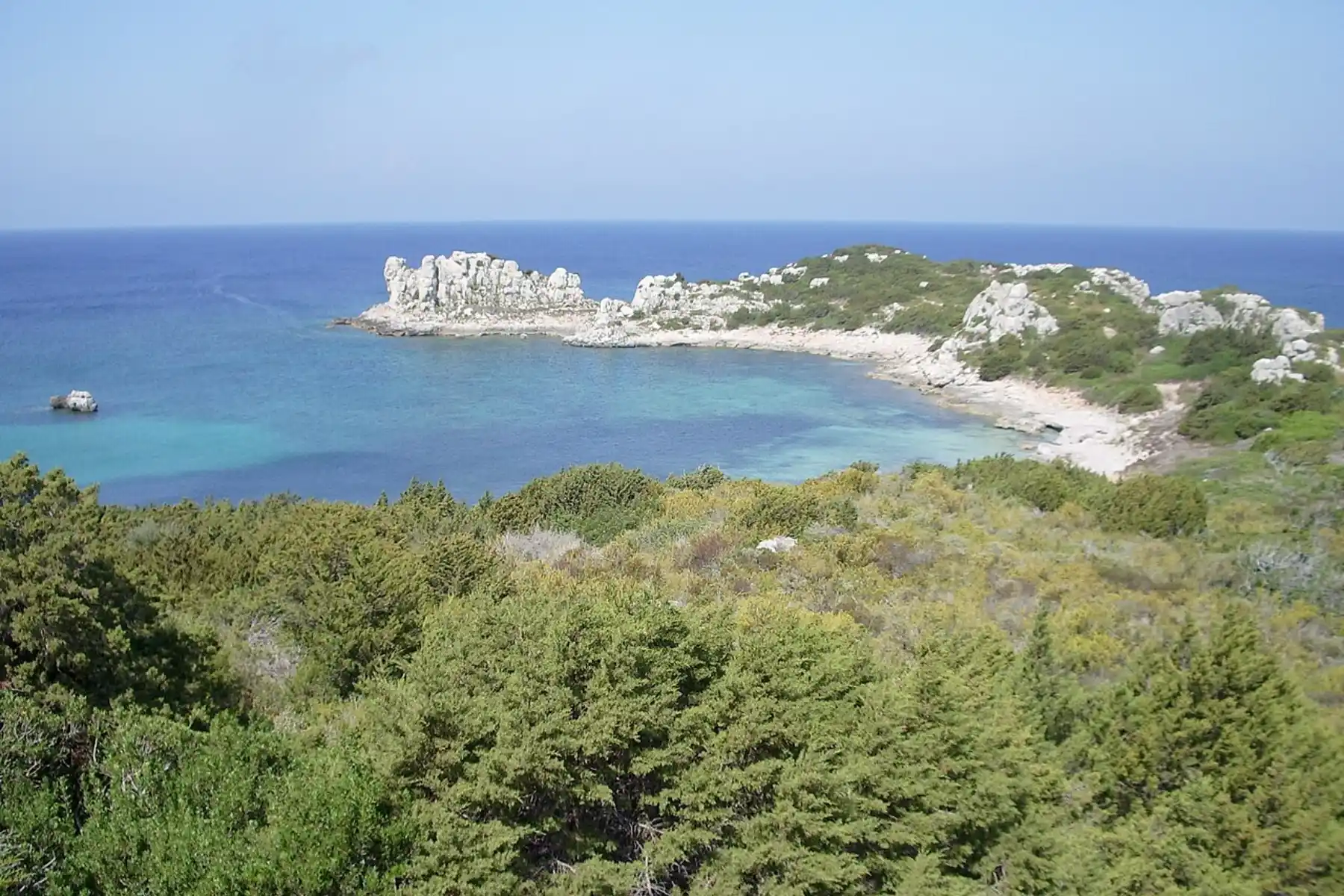
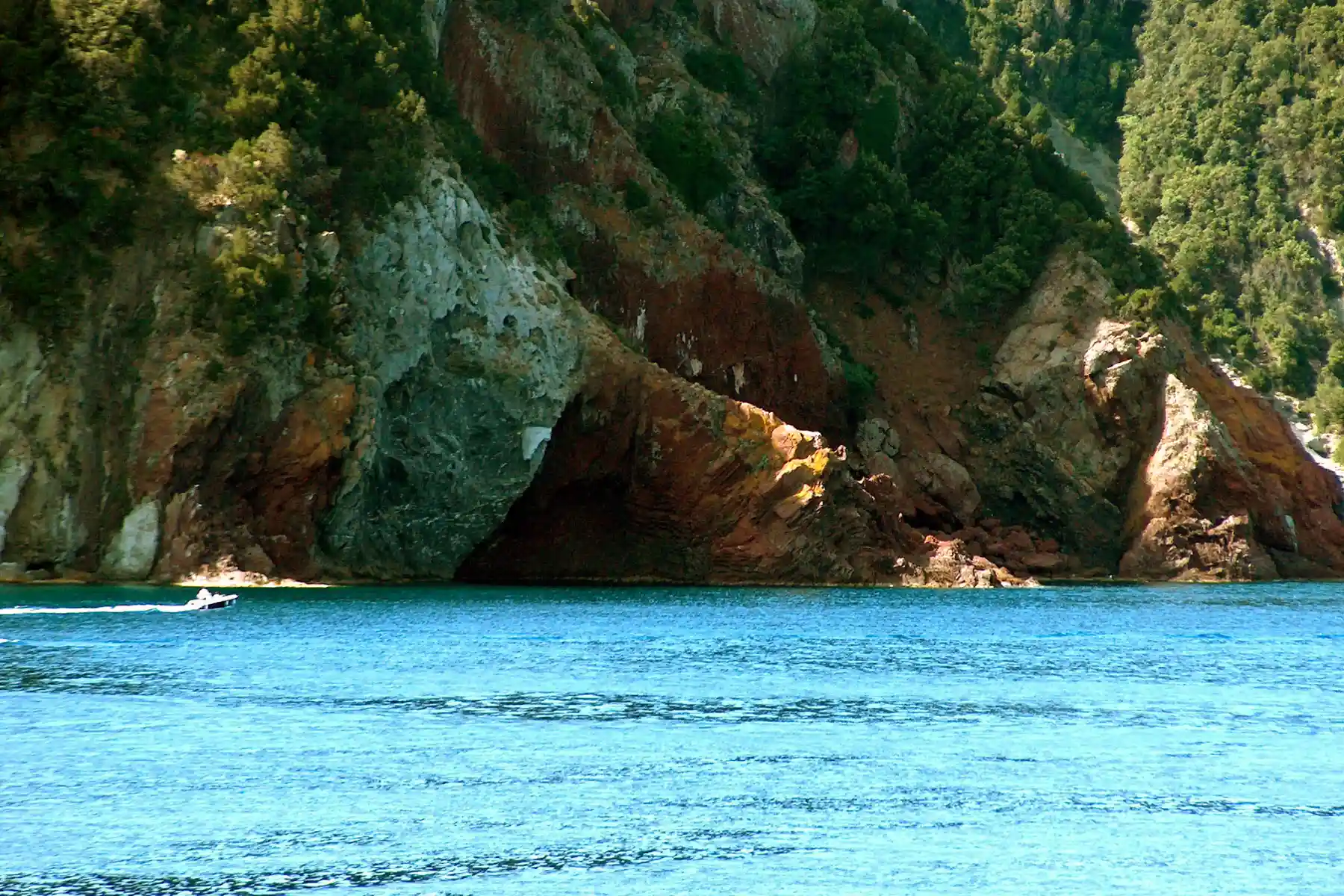
📷 Photo: Matteo Vinattieri /Wikimedia Commons – Cala del Porto Romano Pianosa (CC BY-SA 3.0)
Pianosa cannot be reached independently. Access management is entrusted to the Tuscan Archipelago National Park, which sets a maximum daily quota of visitors to protect the island’s ecosystem. To organise the trip, you must contact the authorised operators directly on the official website Islepark.it, as numbers and availability can change from year to year.
If you wish to visit the island you must purchase a protected area ticket in addition to the ferry ticket, the cost of which contributes to the conservation and maintenance of the park. There is also a golden rule to know: swimming in the sea is permitted only at Cala Giovanna beach. If you want to explore the island’s interior, you must be accompanied by the Park’s official guides or by the accredited tour operators.
Rules and prohibitions: what not to do on Pianosa
Pianosa operates on a simple principle: you take away everything you brought, including waste, and you take away nothing else. The main rules are:
• Absolute ban on collecting any natural or historical element (flora, fauna, artefacts, stones).
• No littering (including cigarette ends). All waste must be taken back to the mainland.
• Dogs are permitted only in the village area. Guide dogs for the visually impaired are permitted across the whole island (within guided visits).
• No independent access by private vessels to restricted zones.
How to get to Pianosa from the Island of Elba
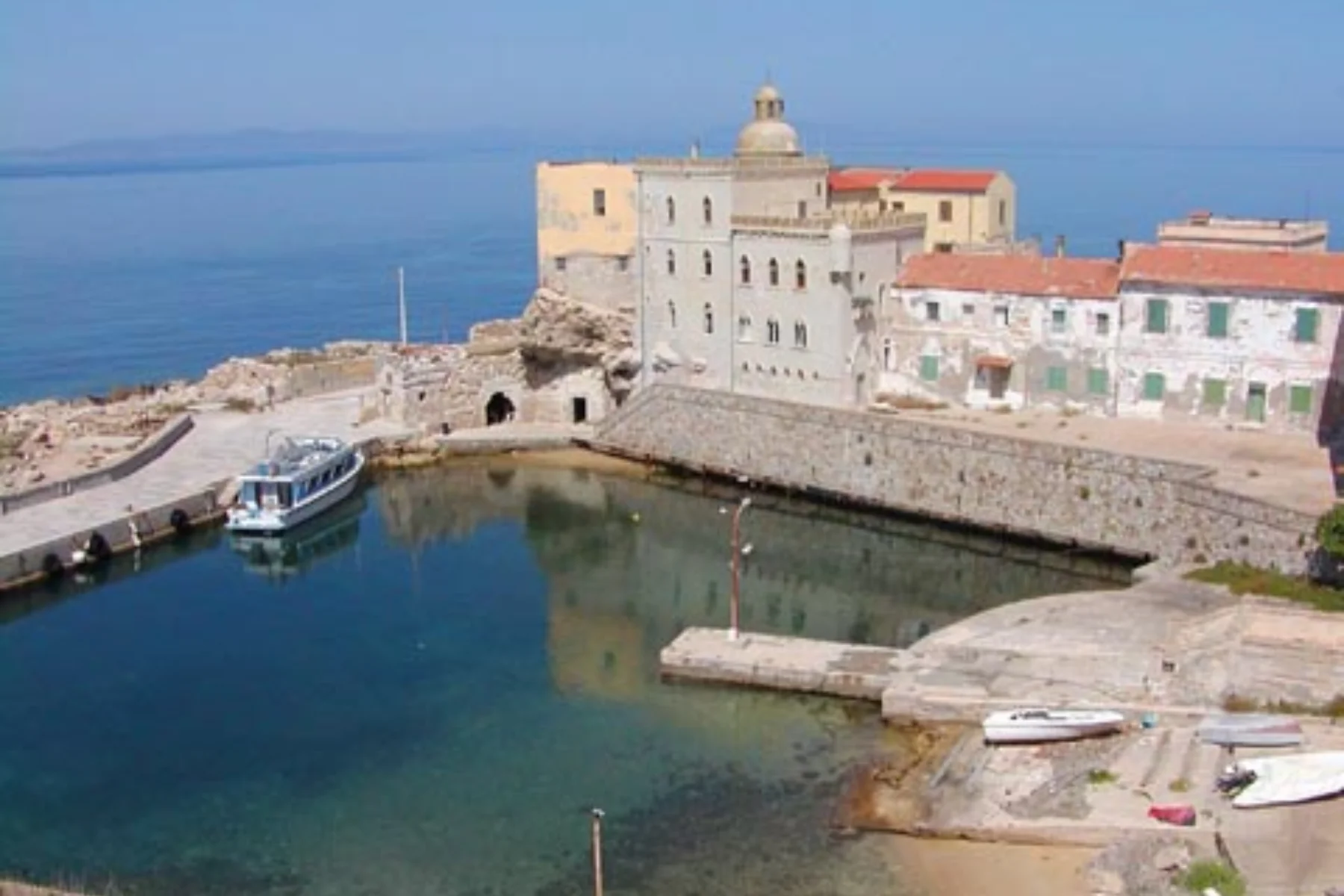
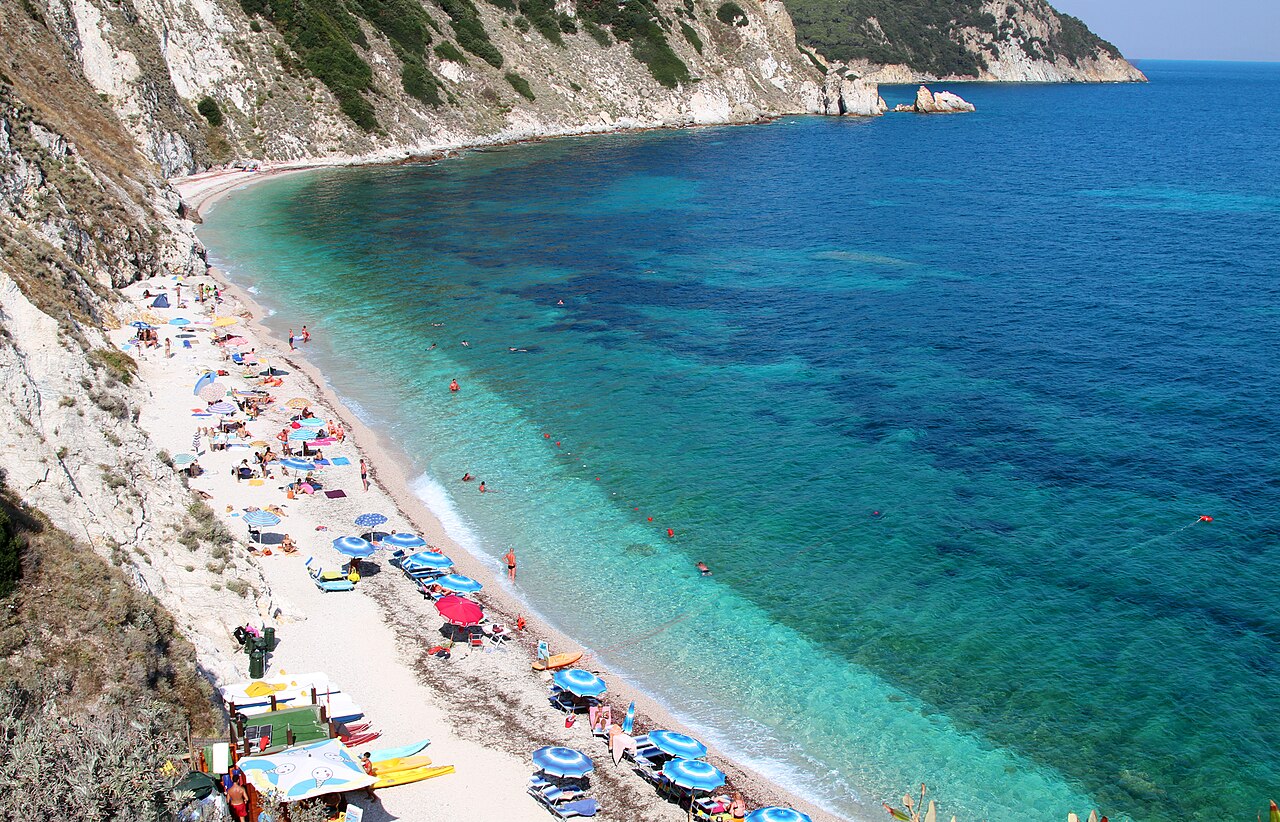
📷 Photo: Pietro Valocchi /Flickr – Pianosaa (CC BY-SA 2.0)
Boats for excursions depart from Marina di Campo, on the southern side of Elba. The crossing takes about 40 minutes and tickets from accredited operators already include the Park entrance fee.
Excursions run throughout the year, with varying frequency and availability depending on the season. In the summer months places fill up quickly: we recommend booking a few weeks in advance to avoid missing out.
What to see on Pianosa in one day: itinerary
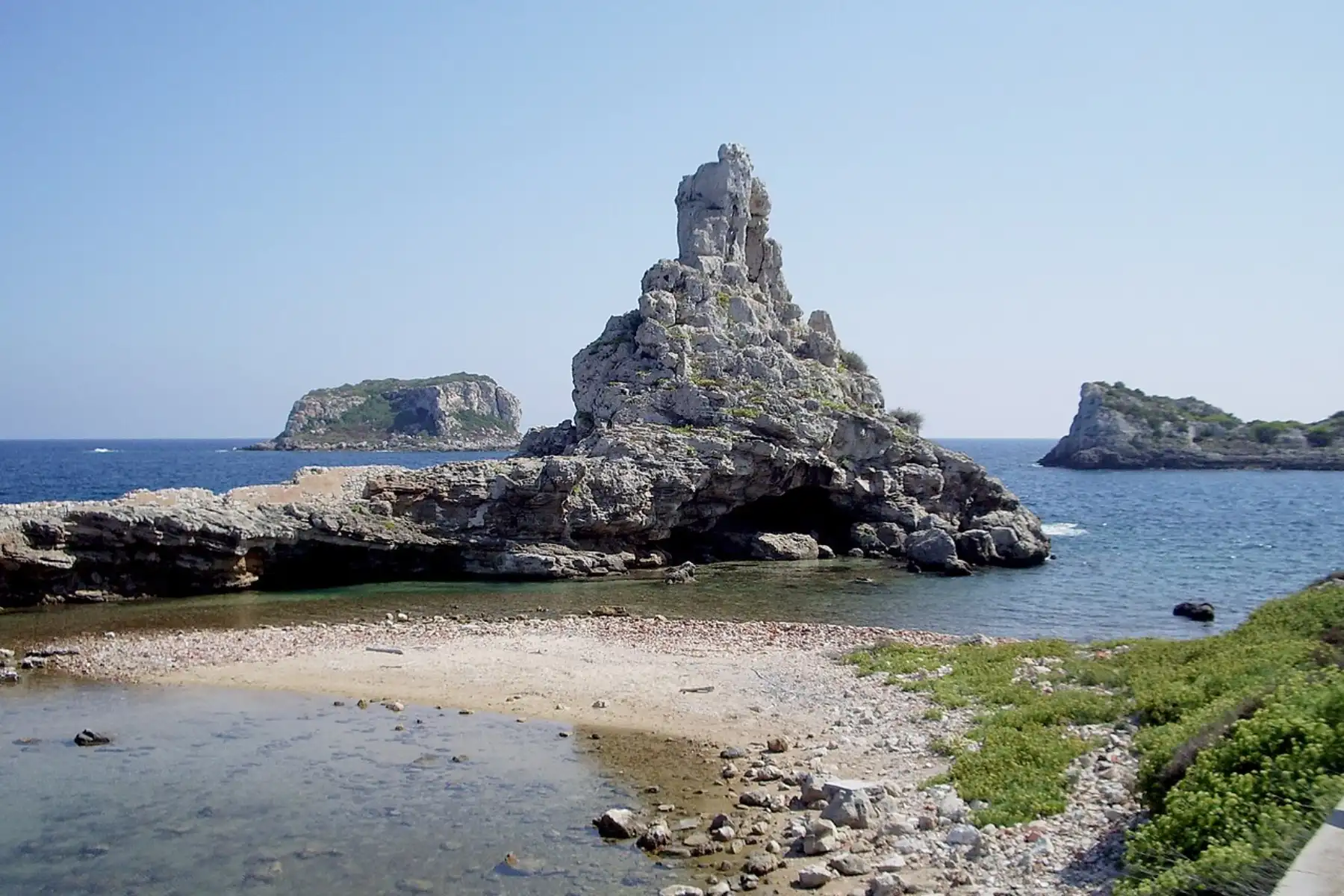
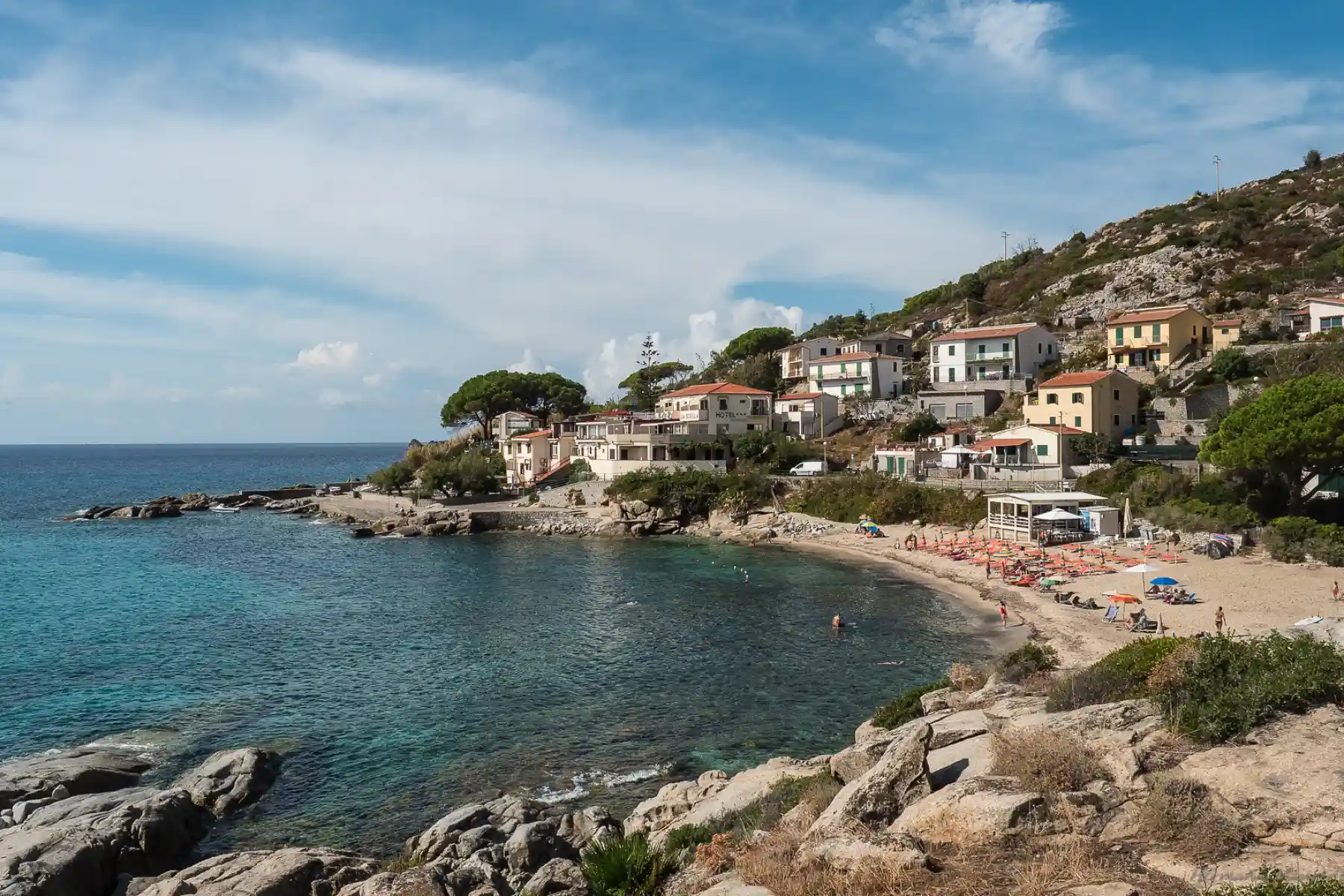
📷 Photo: Matteo Vinattieri /Wikimedia Commons – Scoglio del Marzocco e Isola della Scola da Pianosa (CC BY-SA 3.0)
A day on Pianosa is split between the sea and walks. Here are the four unmissable stops:
Cala Giovanna: the island’s emblematic beach
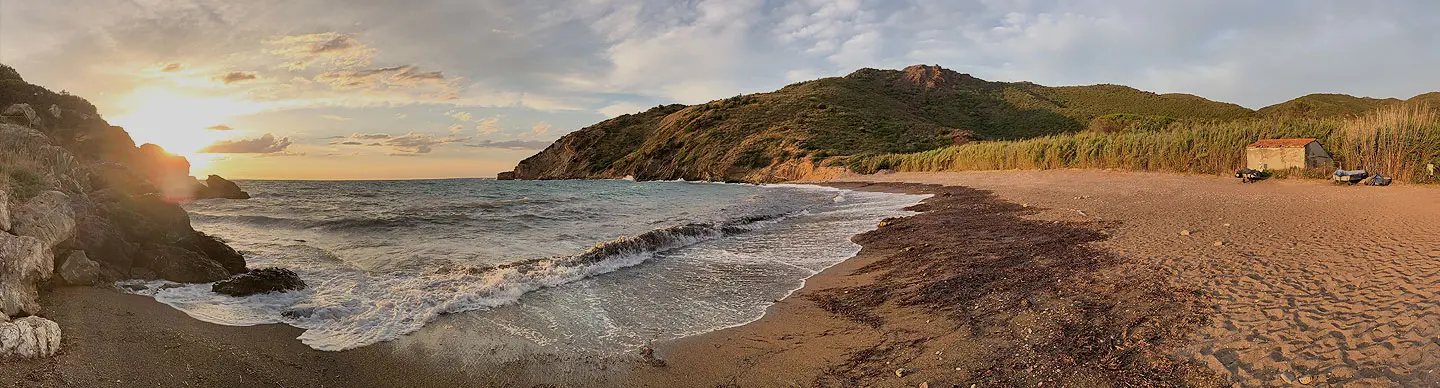
The landing point and focal spot for relaxation is Cala Giovanna. This is the island’s emblematic beach, the only beach accessible to visitors, celebrated for its golden sand and pristine seabed.
In the permitted areas, authorised snorkelling trips are available, an unmissable opportunity to admire at close quarters the dense Posidonia oceanica meadows, the true green lung of the Mediterranean, and the incredibly rich marine fauna that inhabits this splendid protected area.
The former prison of Pianosa: guided tour
This is the feature that sets Pianosa apart from any other excursion in the Archipelago. The prison complex (from the ordinary-regime cells to the wings of the 41-bis, the maximum-security regime) can be visited with official guides and recounts seventy years of Italian history with a concreteness that no book can convey. Members of the Cosa Nostra were held here, including Totò Riina in the periods following the season of massacres. The walls, the fences, the closed courtyards are all still in place: only the people are gone.
The village and the Villa of Agrippa
Beyond modern history, the island conceals treasures of Roman archaeology. The itinerary leading to the remains of the sumptuous Roman villa of Agrippa Postumus, nephew of Emperor Augustus who was exiled here, is particularly notable. The mosaics and structures overlooking the sea still bear witness today to the splendour of that imperial residence.
The white roads and the Mediterranean scrub
You can follow the island’s network of unpaved tracks on foot or by hiring a mountain bike on site. It is the best way to immerse yourself in the fragrances of the Mediterranean scrub, among lentisk, wild plants and orchid blossoms. And if you look up at the sky, you may spot rare birds such as the Eleonora’s falcon or the Cory’s shearwater.
Snorkelling and sea activities at Pianosa
The seabeds of Pianosa are an incredible reservoir of marine biodiversity. Guided dives and snorkelling allow you to swim in close contact with large dusky groupers, moray eels, octopuses and shoals of amberjack moving above the Posidonia meadows. Given the maximum-protection classification, free anchoring of any private vessel in the protected waters is strictly forbidden.
If you decide to snorkel, remember to bring your mask, fins and a light wetsuit: sea currents keep the water cool even at the height of summer.
Practical information to organise your trip
📷 Photo: Matteo Vinattieri /Wikimedia Commons – Costa occidentale Pianosa (CC BY-SA 3.0)
• When to go: May, June and September are the best months: less heat, fewer crowds, all services operational. July and August offer the warmest sea but bookings fill up sooner.
• What to bring: plenty of water, sunscreen, a hat and sunglasses. Bring closed, comfortable shoes for the walks and sandals for the beach.
• Costs: the overall price of an organised excursion generally includes the return transport from Marina di Campo, the Park entrance ticket and the guide. Prices change each season: check directly with the operators and on the Park website before booking.
• Booking: online, through the accredited operators or via the portal of the Tuscan Archipelago National Park. In high season, don’t leave booking until the last day!
From Piombino to the Island of Elba: the first step towards Pianosa
To organise the Pianosa excursion as well as possible, the ideal approach is to use the Island of Elba as your base for a few days. You will then have time to enjoy Elba’s beaches and the convenience of already being close to the port of Marina di Campo for departure.
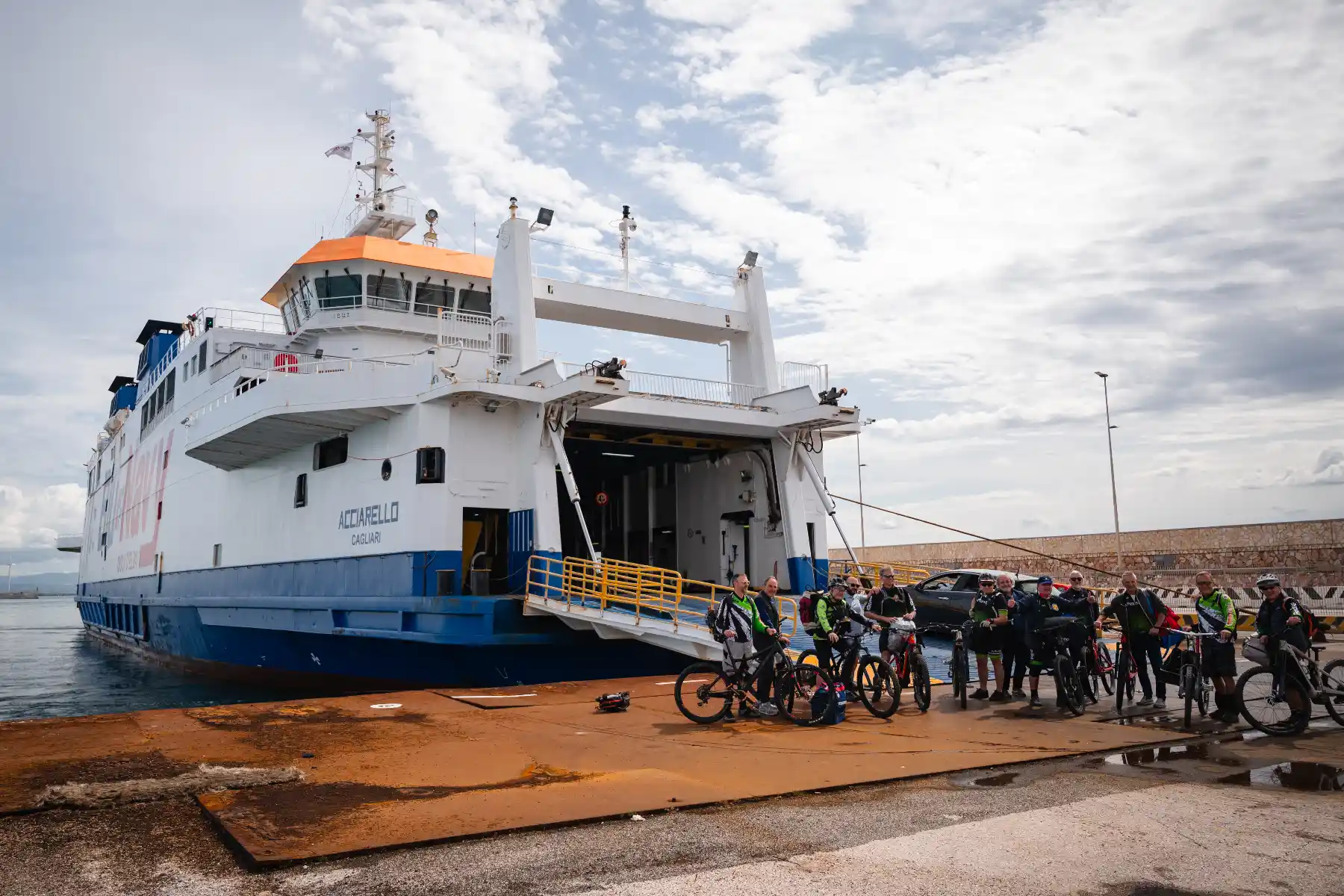
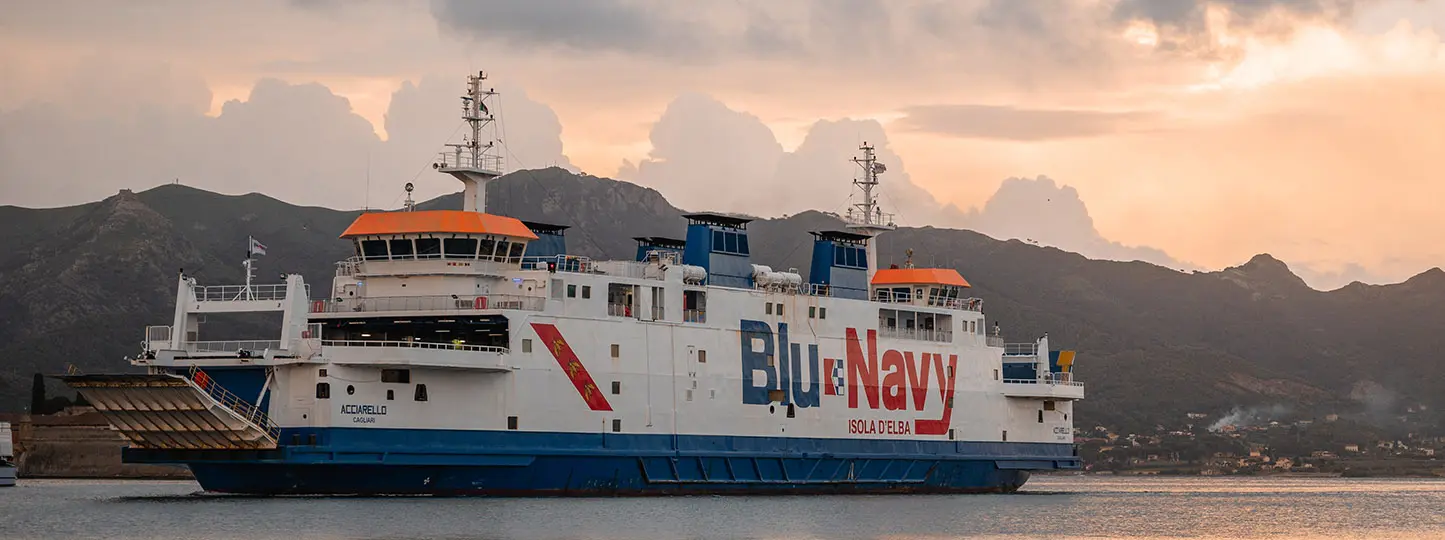
The most comfortable and quickest way to reach Elba is to board the Blu Navy ferries on the Piombino-Portoferraio route. In just one hour of comfortable, relaxing sailing you will be at your destination, with the option of bringing your car on board. Once you have disembarked at Portoferraio, Marina di Campo is just over 20 km away, half an hour of scenic road.
Choose your dates, buy your ticket online with Blu Navy and get ready to discover the secrets of Pianosa!
Cover photo: 📷 Foto: Carsten Steger /Wikimedia Commons – Aerial image of Pianosa (CC BY-SA 4.0)