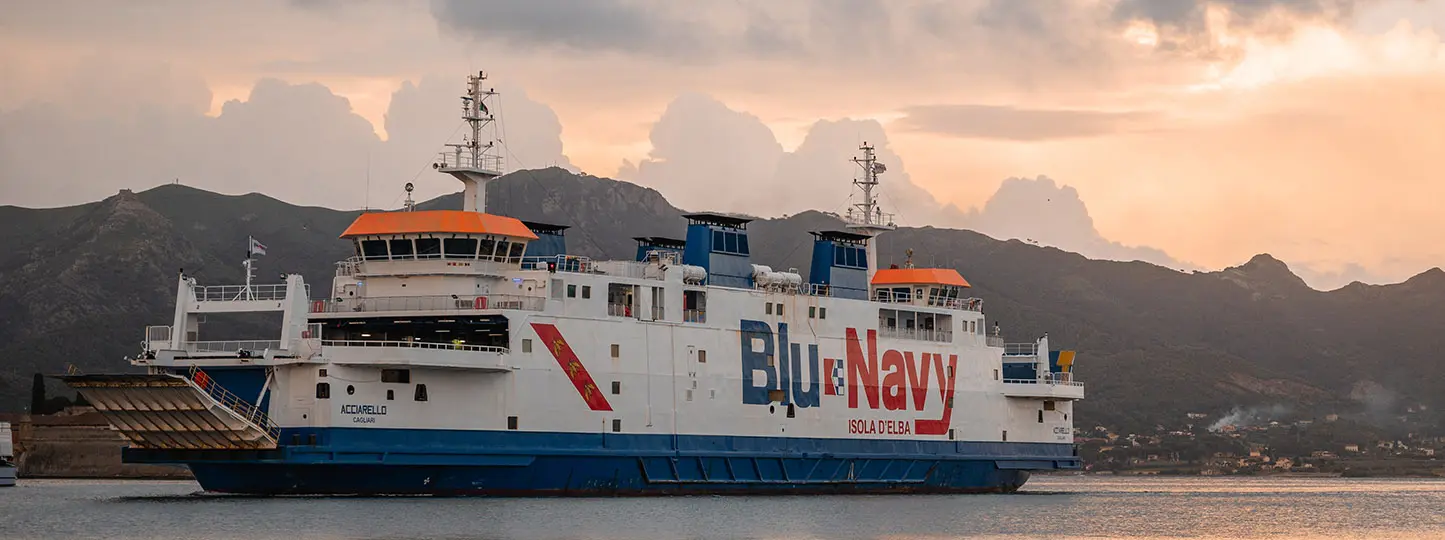
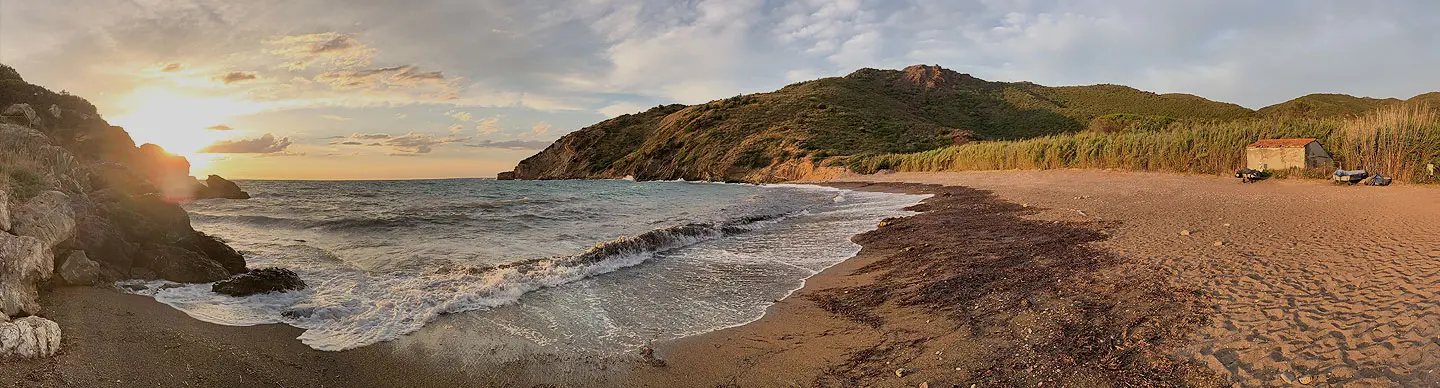
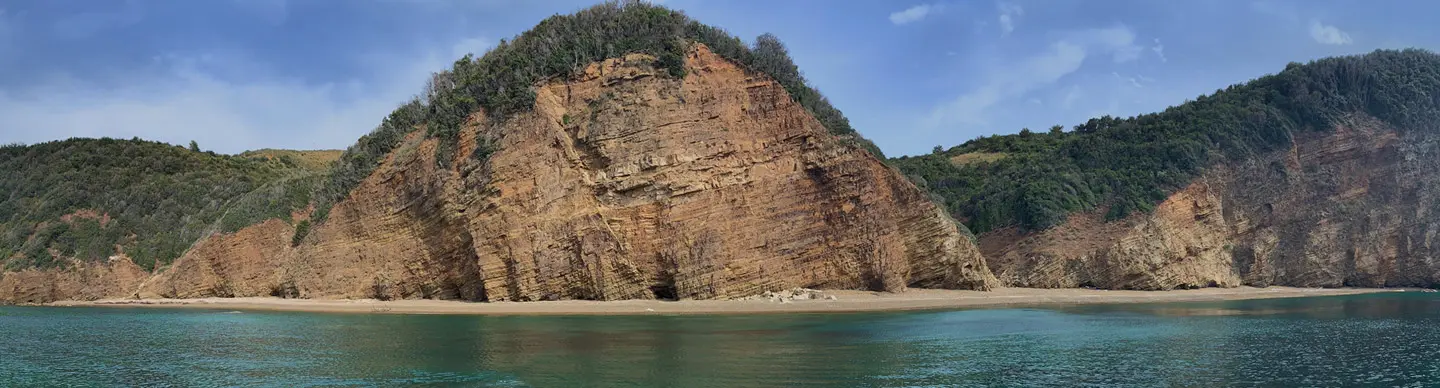

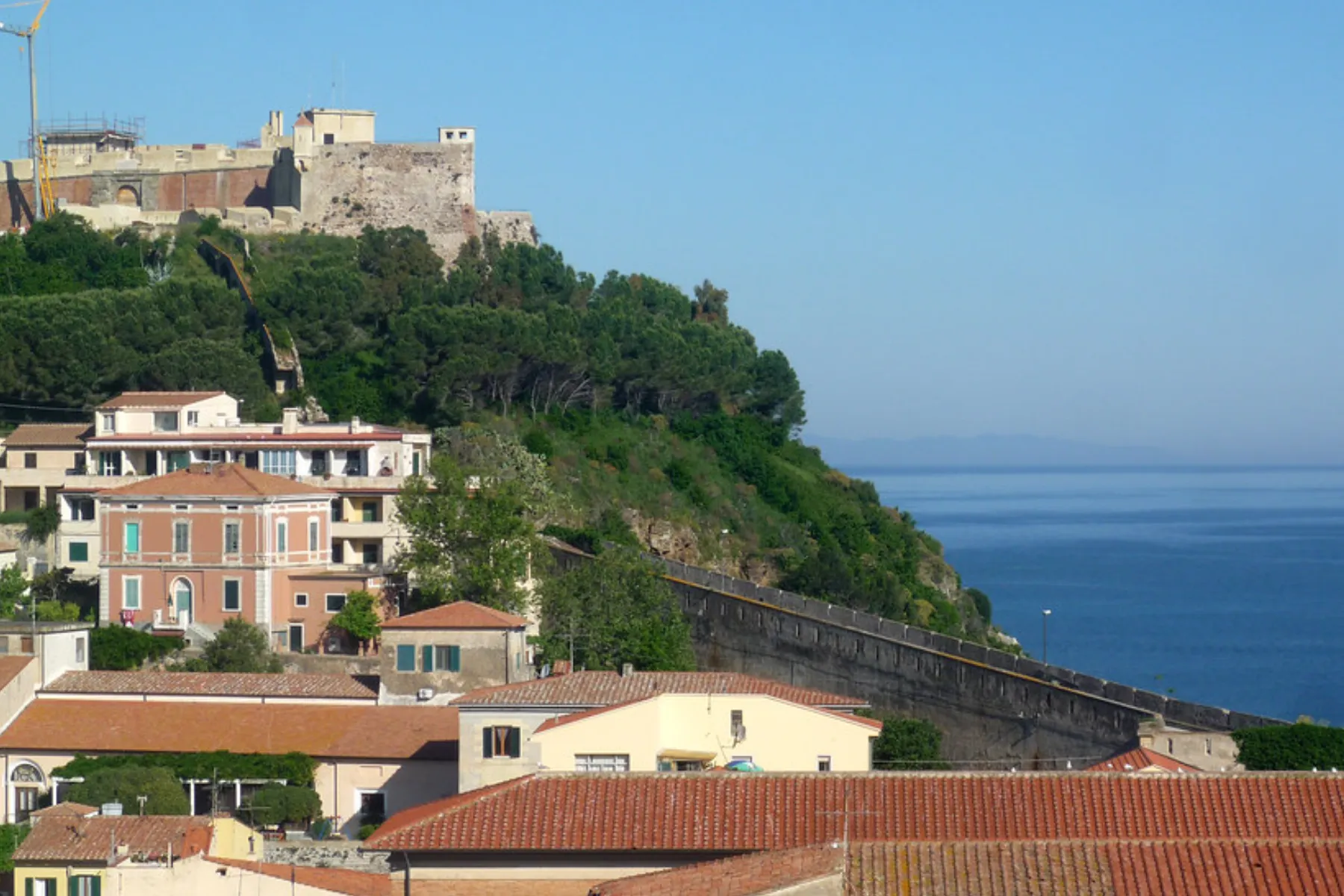
The Island of Elba is not only a paradise of golden beaches and crystal-clear waters; its beating heart lies in the historic centres that crown the hills or bring the marinas to life, telling ancient tales of people intent on cultivating terraced vineyards and orchards, or on extracting the precious minerals that over time helped to write the history and the routes of our sea. These villages look out over broad valleys and magnificent anchorages. Exploring the villages of the Island of Elba on foot allows you to grasp details that escape the faster rhythms, immersing yourself in an atmosphere of ancient stone, laundry drying in the sun and breathtaking sights.
Let us discover together seven unmissable places on the Island of Elba where history, architecture and nature merge into an authentic and restorative visit.
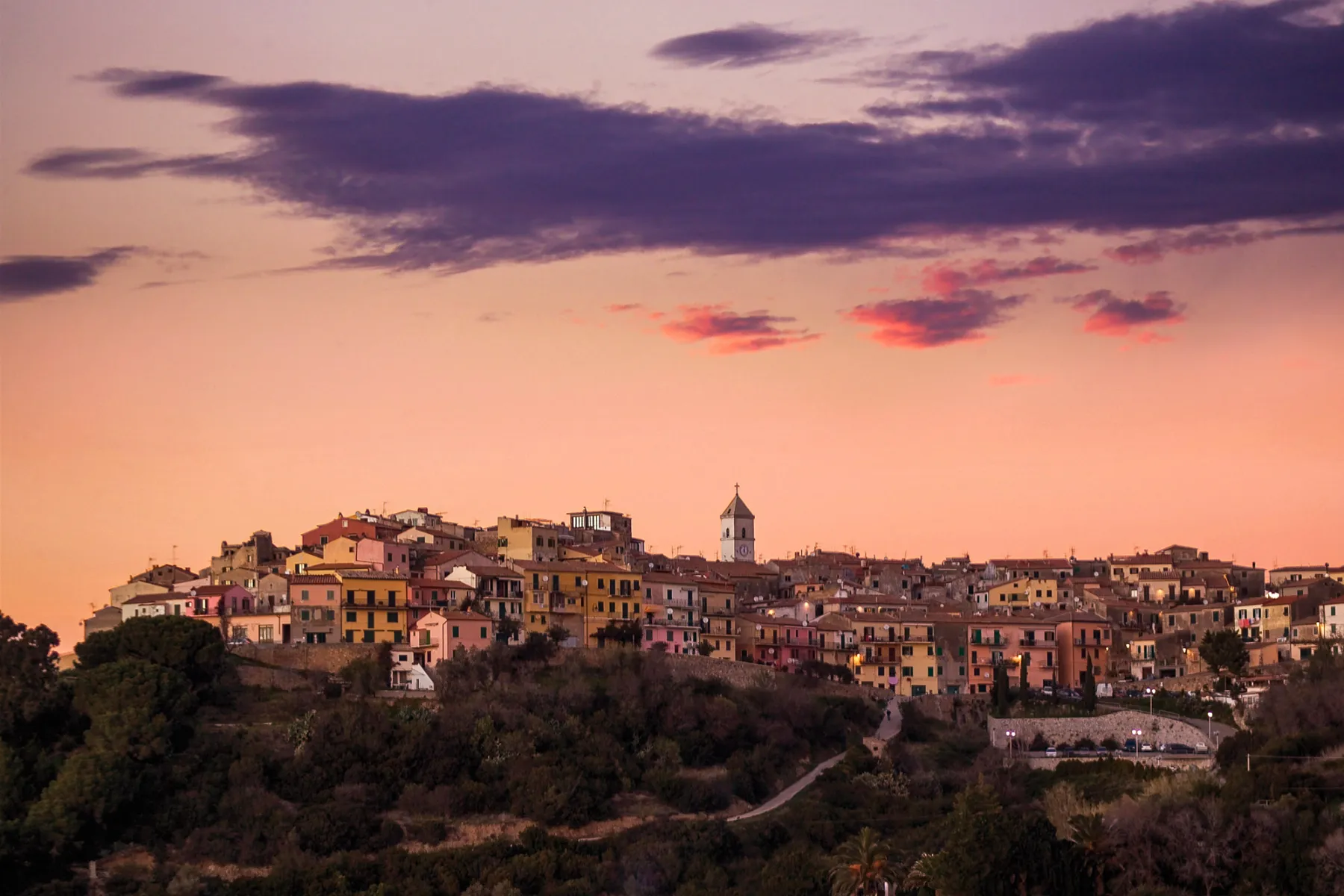
1. Capoliveri
📷 Photo of @Roberto Ridi
To walk through Capoliveri is to lose yourself in its chiassi, the characteristic medieval alleyways covered by stone vaults and little arches. These narrow passages, once designed to protect the town from the winds and from pirate raids, are today small masterpieces of spontaneous architecture. Every corner reveals a surprise: a steep flight of steps climbing towards the sky, pots of colourful geraniums lovingly tended by the residents, and hidden artisan workshops where time seems to have stood still.
Our advice is to begin the day with a hearty breakfast in the main square, watching the town’s slow awakening, and then to venture into the labyrinth of stone. As you climb towards the highest part, the effort of the walk is rewarded by sudden breathtaking belvederes, natural windows that open onto the immense blue of the gulfs and the wild profile of Monte Calamita.
When the sun begins to set and the stone of the chiassi turns pink, the village changes its skin. Soft lights illuminate the alleyways, the outdoor tables of the restaurants fill up and the air brims with the scent of Aleatico wine and traditional cuisine. To walk here, at this hour, is a pure sensory experience: an invitation to slow down, breathe deeply and rediscover the beauty of travelling slowly.
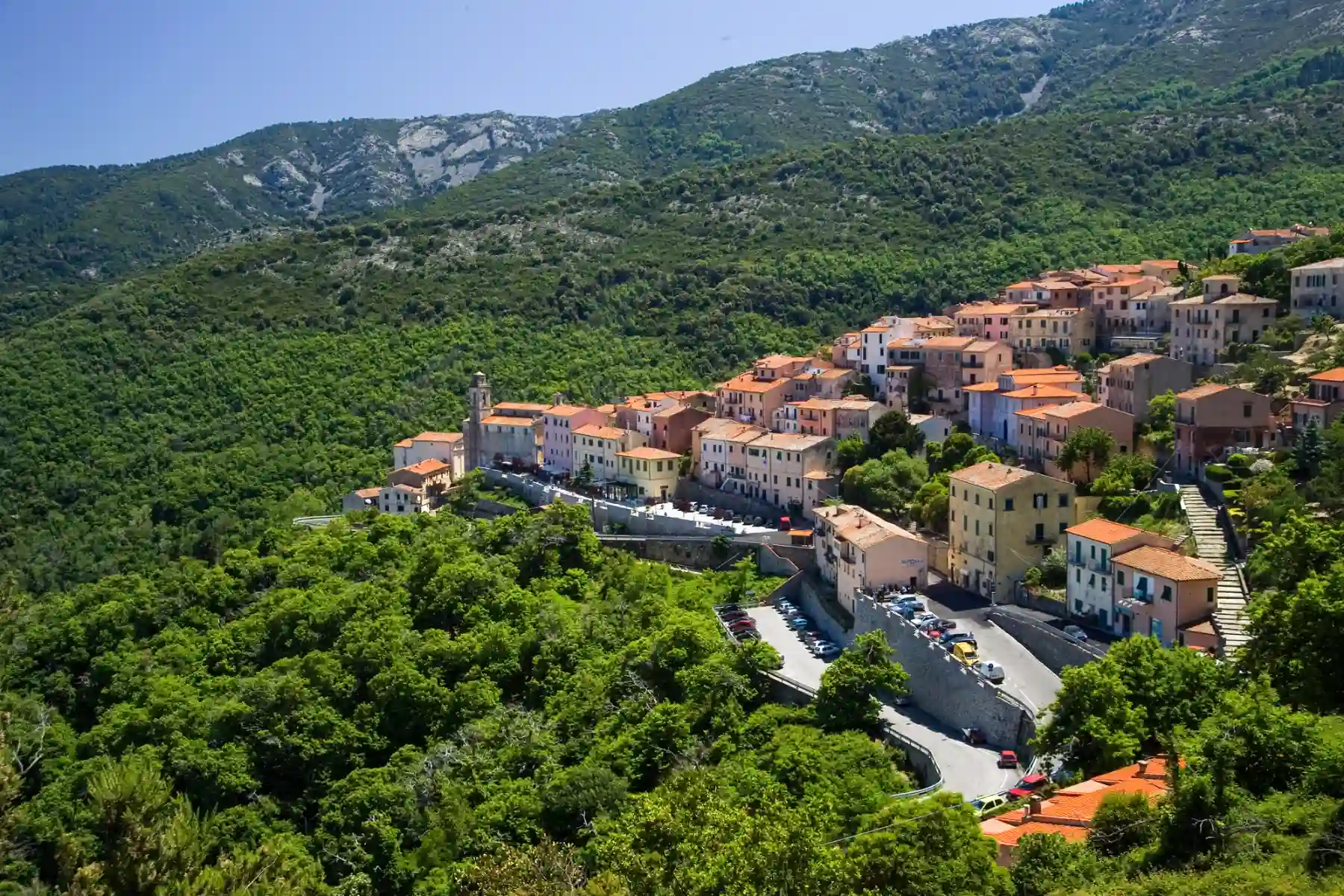
2. Marciana
📷 Photo of @Roberto Ridi
If Capoliveri is Elba’s terrace over the sea, Marciana is its wise guardian of stone. Set at 375 metres of altitude on the slopes of the majestic Monte Capanne, Marciana embodies the mountain soul of the island, proud and authentic, where the smell of the sea mingles with that of moss, chestnuts and damp earth.
At Marciana the landscape is dominated by imposing, dense chestnut forests. These monumental trees are not merely natural features but true historic monuments. Unlike other areas of Elba historically tied to the mines or to fishing, the people of Marciana have always been bound to heroic agriculture, to the care of the terraced vineyards and the woods.
In the village cars are banished. One climbs only on foot along a dense network of stepped lanes covered with plants, which wind beneath the ancient medieval gateways into the town.
Marciana is the perfect refuge for those seeking an intimate, cool and vertical Elba, where time is measured not by the clock but by the changing colours on the granite of Monte Capanne.
Twin brother and guardian of Marciana, Poggio is a jewel of stone set at 330 metres of altitude on a spur of rock, likewise immersed in a forest of chestnut and holm oak. If Marciana is proud and vertical, Poggio is compact and geometric, famous for its distinctive urban layout of concentric circles.
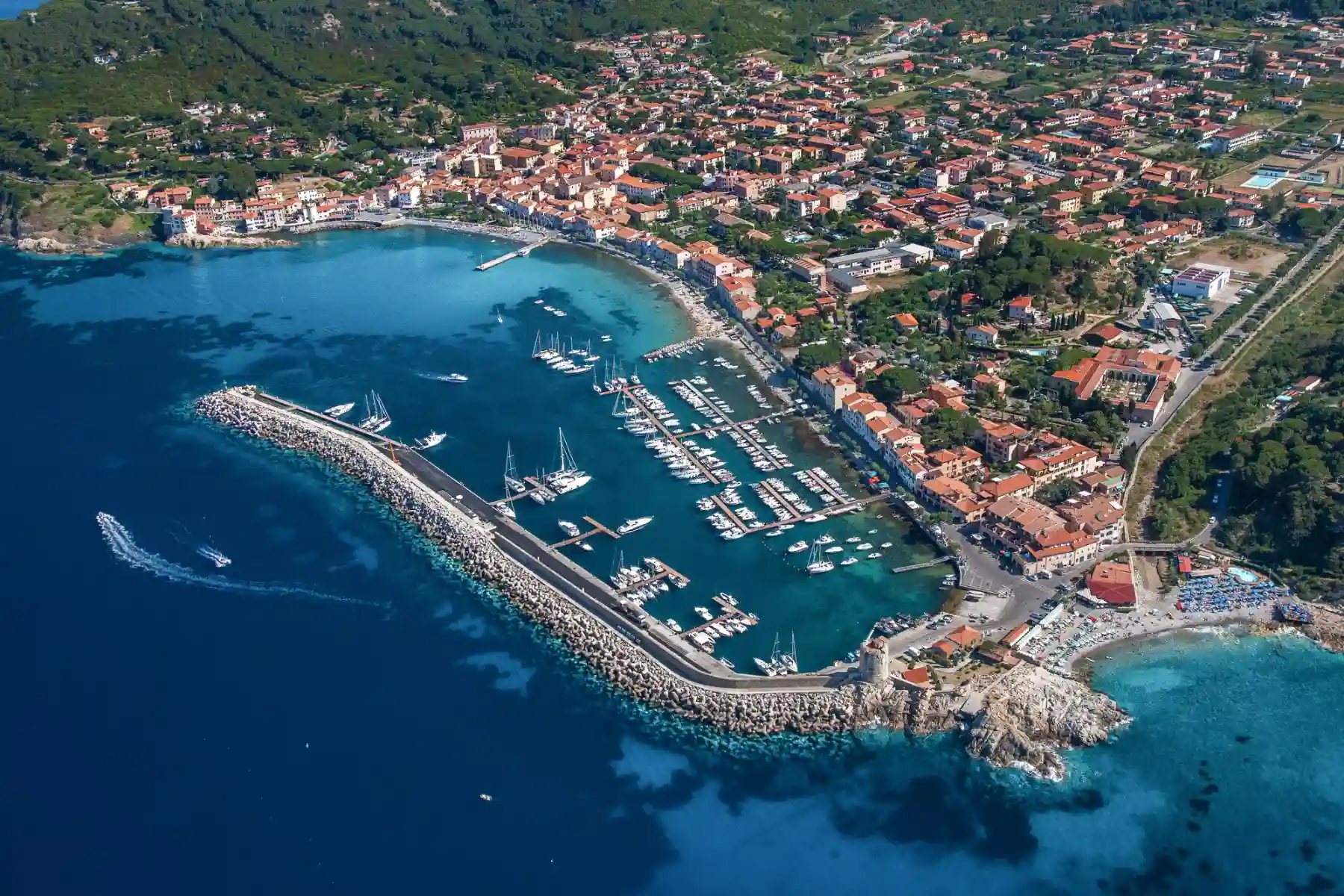
3. Marciana Marina
📷 Photo of @Roberto Ridi
Where the granite of Monte Capanne surrenders to the embrace of the Tyrrhenian Sea rises Marciana Marina, a drawing room of stone, salt and silence. Here time does not rush: it prefers to sit on the quay and watch the horizon, lulled by the regular breathing of the waves and by the scent of a Mediterranean scrub that knows no autumn.
The seafront of Marciana Marina is a stage of tamarisks and pastel-coloured facades, where the Empire-style architecture recalls the splendour of a little Napoleonic Marseille.
Marciana Marina guards a proud history of navigators and craftsmen, a time when the port was a pulsing crossroads of goods and destinies.
But the true magic of Marciana Marina lies in the character of its inhabitants: proud, welcoming and profoundly discreet people..
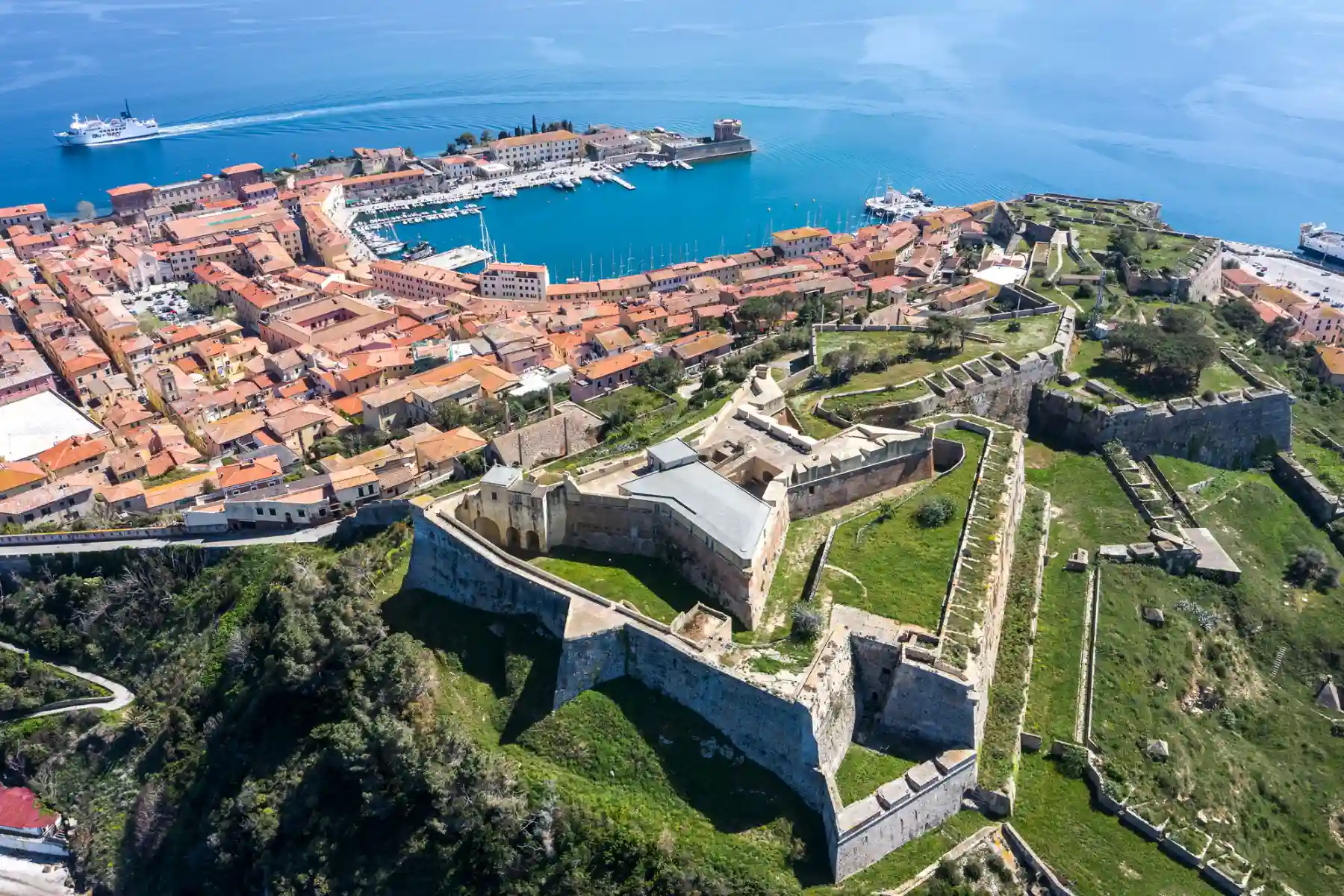
4. Portoferraio
📷 Photo of @Roberto Ridi
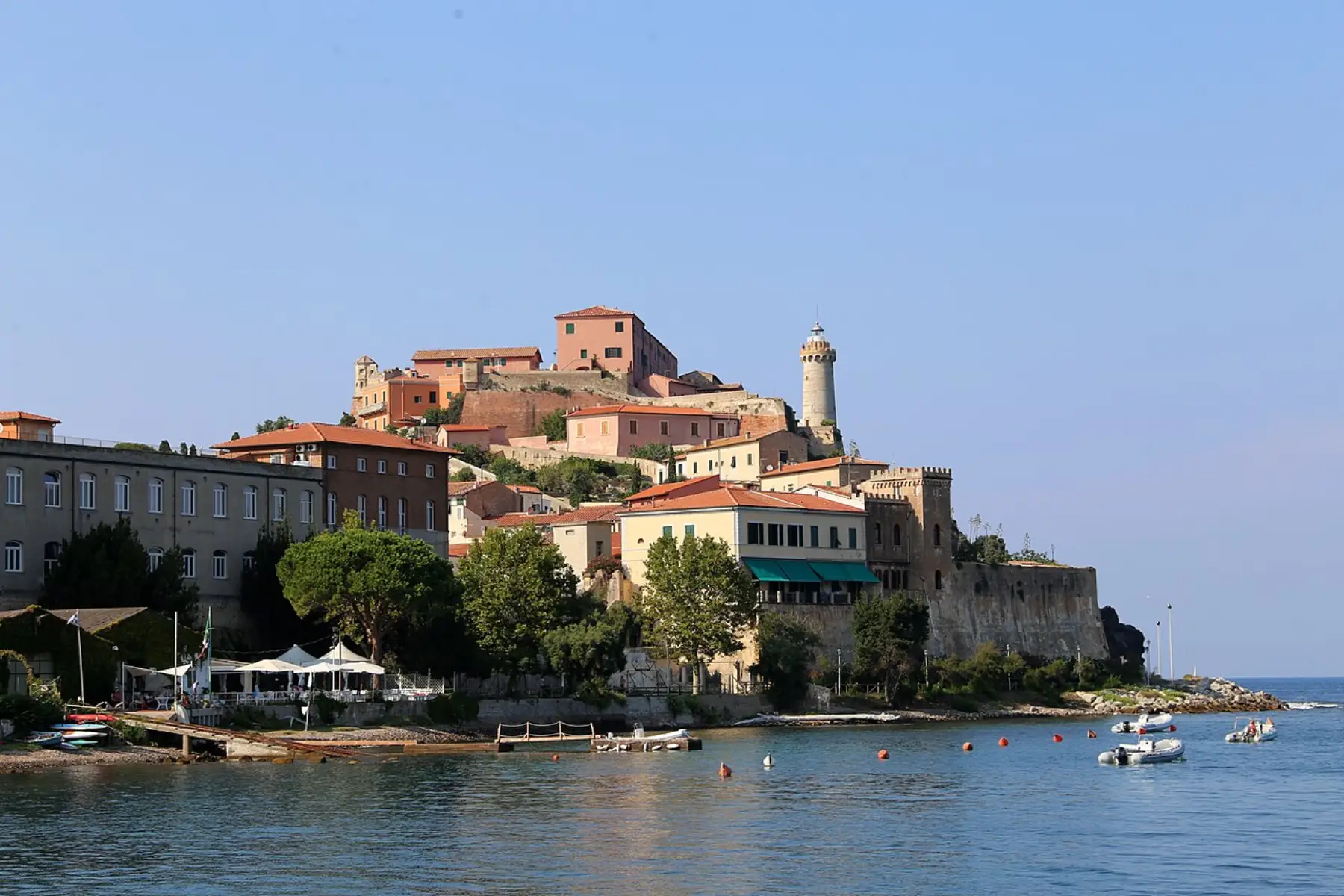
If for many Portoferraio is merely the gateway to Elba, for those who can look beyond the haste of the arrivals it reveals itself as Cosmopoli, the ideal city dreamed of by Grand Duke Cosimo I de’ Medici. Those who love it walk at a slow pace along its dock, captivated by an embrace of rose-coloured fortifications that seem to rise directly from the sea to protect the inner beauty of the town.
The journey begins by passing through the monumental Porta del Mare, as far as the windswept ridge where the Napoleonic Residence of the Mulini and the majestic gate of Forte Falcone stand, the highest and most imposing fortress.
A few steps from the historic centre, time stops definitively on the Le Ghiaie Beach. Portoferraio, for those who love it spellbound, is this: a fortress with a heart of light that gives itself only to those who have the patience to slow down.
5. Porto Azzurro
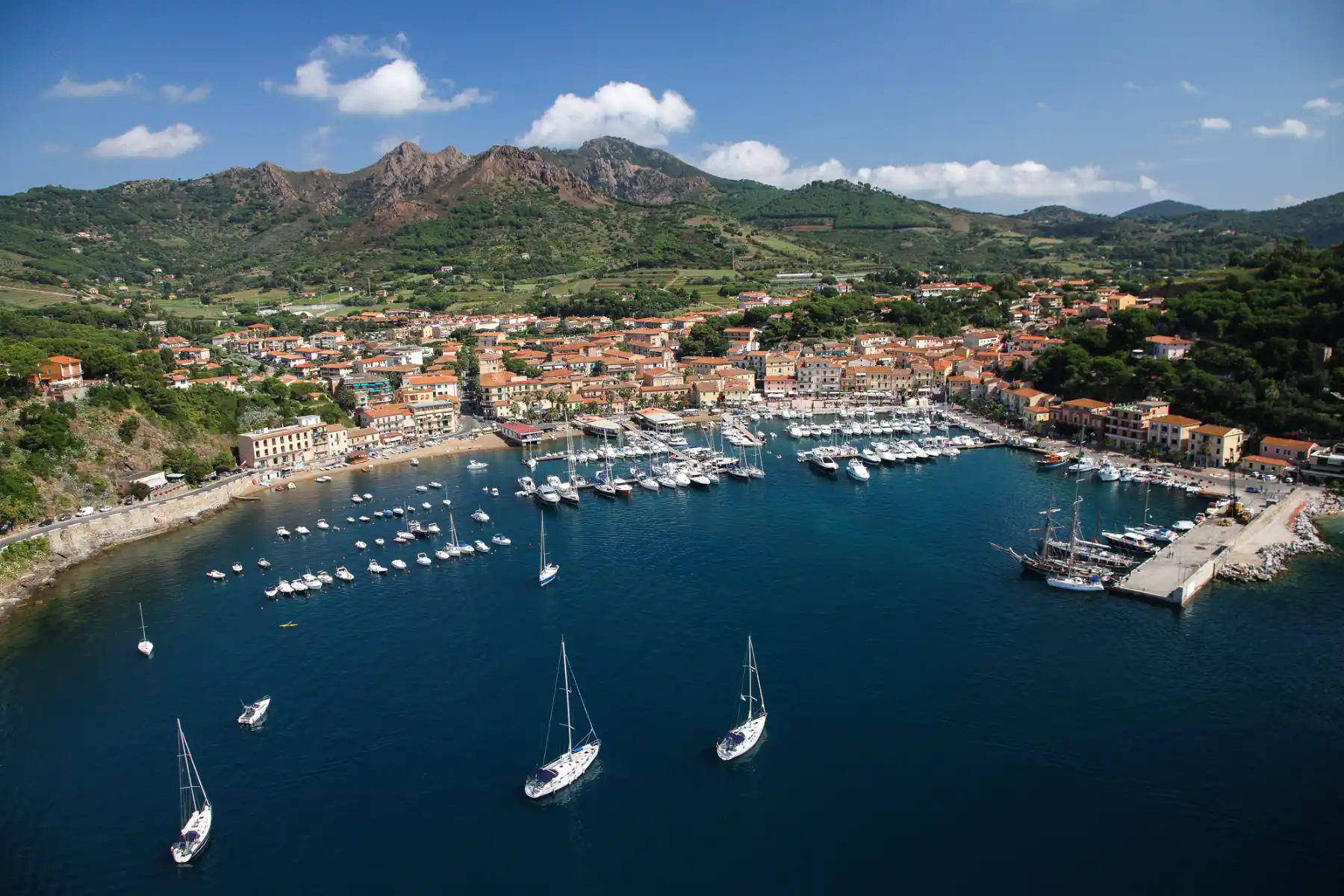
📷 Photo of @Roberto Ridi
If Portoferraio is Medicean and proud, Porto Azzurro is the welcoming, Moorish soul of Elba Island. Until 1947 its name was Porto Longone, a place that evokes tales of adventurers, soldiers and viceroys. Today this splendid seafaring village gives itself to those who visit it with a relaxed elegance, where the harshness of its ancient Spanish fortress dissolves into the sweetness of a seafront that resembles a drawing room on the Mediterranean.
Porto Azzurro has an identity profoundly different from the rest of the island, shaped by more than a century of Iberian rule. In 1603, Philip III of Spain ordered the construction of an imposing fortified citadel on the promontory to counter the nearby Medicean Portoferraio. For centuries, the Fortress of San Giacomo has dominated the life of the village.
To experience Porto Azzurro also means following the paths that link the stone of history to the wild land, such as the Passeggiata Carmignani, the Valley of Monserrato and the Laghetto di Terranera.
6. Rio
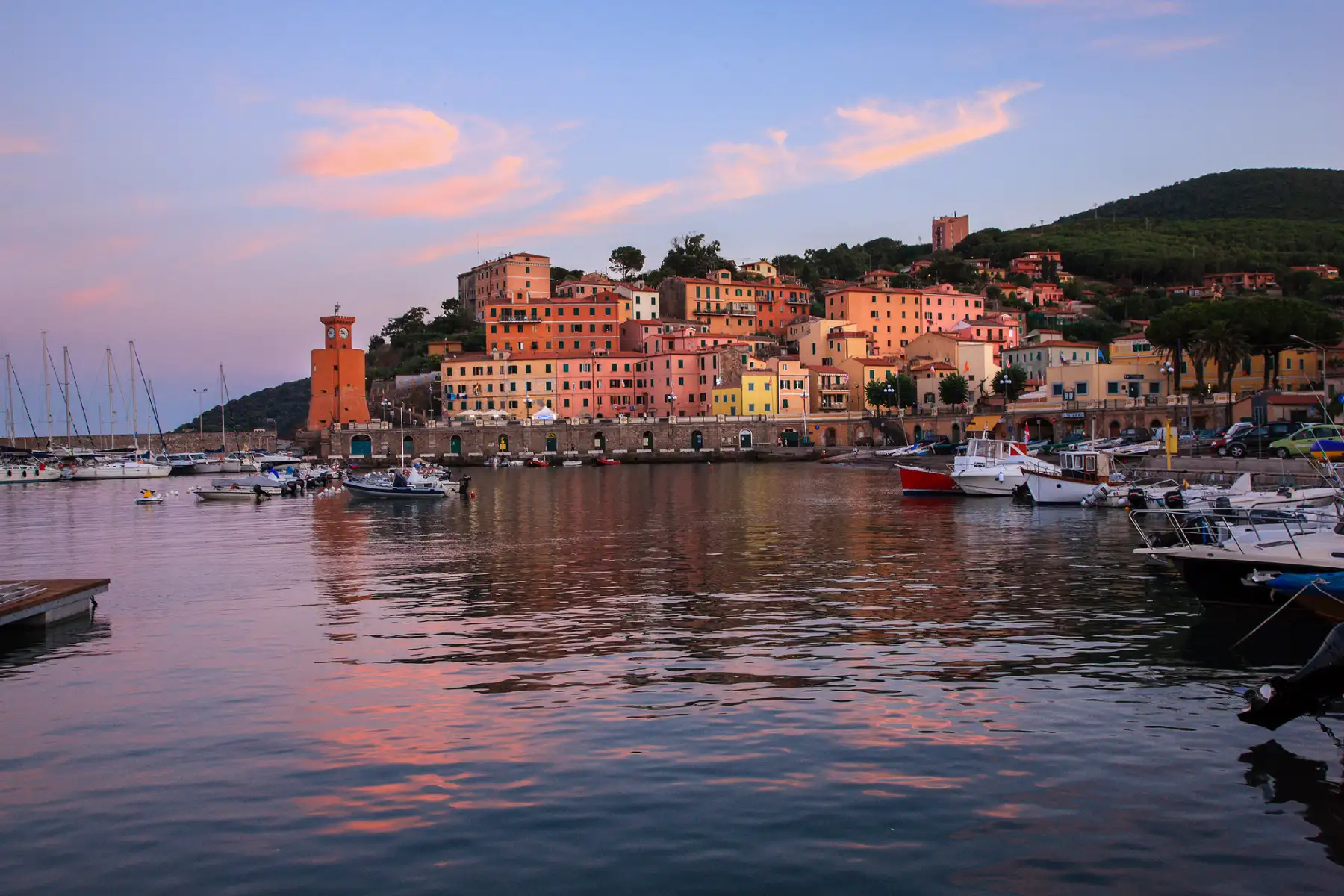
📷 Photo of @Roberto Ridi
If there is a place where the Island of Elba reveals its deepest wounds and, at the same time, its proudest grandeur, that place is the municipality of Rio (which unites Rio nell’Elba and Rio Marina). Here, slow living is not a recent trend, but a most ancient necessity of the soul: time stopped when the last pickaxe ceased to strike in the characteristic Elban mines, leaving room for silence, the wind and the sounds of the sea.
Rio is the metallic backbone of the Mediterranean. Long before it became a refuge for slow travellers, this territory was an inferno of fire and dust that changed the course of human history. Today Rio is the paradise of the slow traveller, a place where nature is reclaiming what man dug out for centuries.
7. Marina di Campo
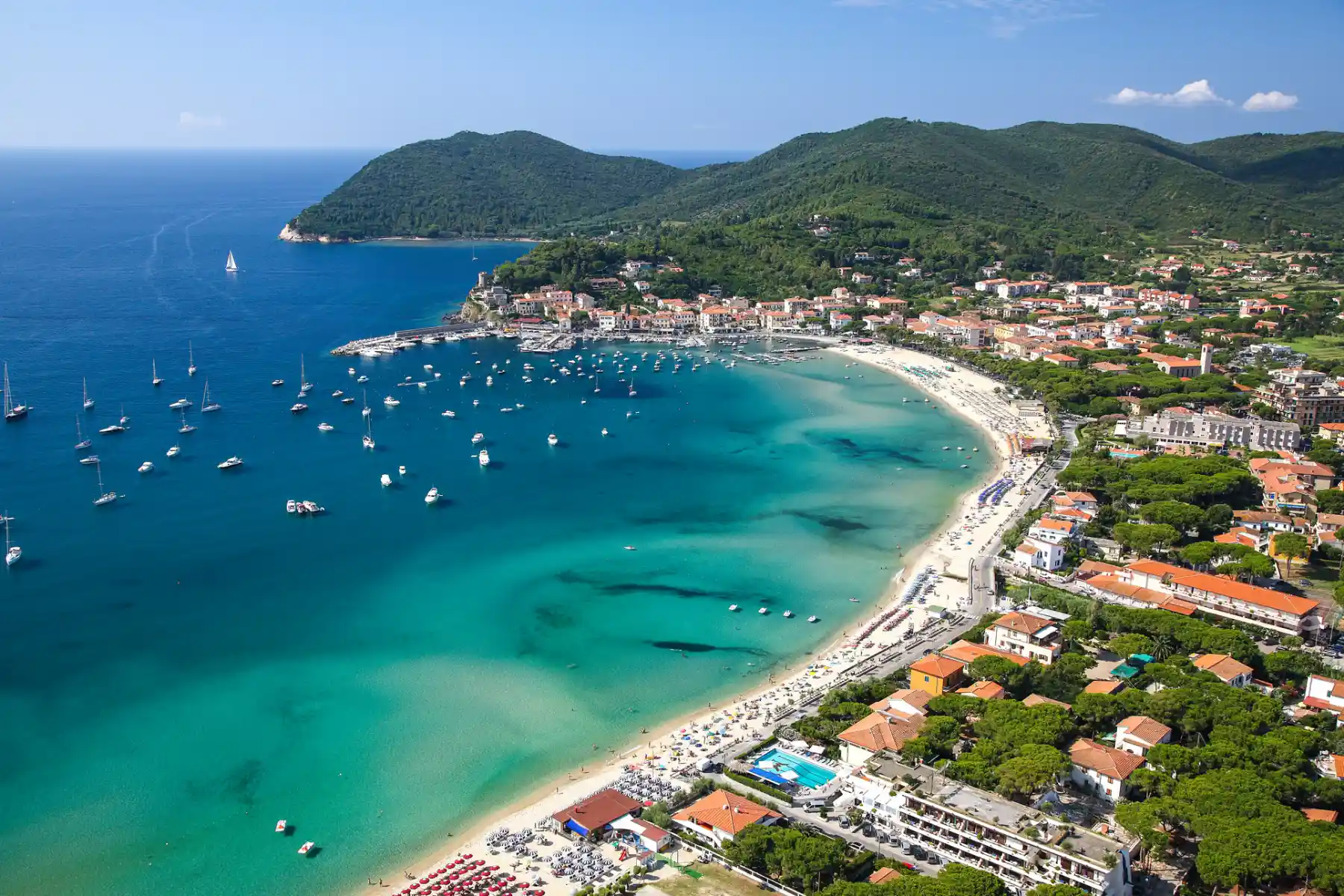
📷 Photo of @Roberto Ridi
If Rio is the kingdom of iron and fire, the municipality of Campo nell’Elba is the cathedral of granite, light and wind. The gulf welcomes the fishermen’s boats and the dreams of travellers beneath the gaze of its tower.
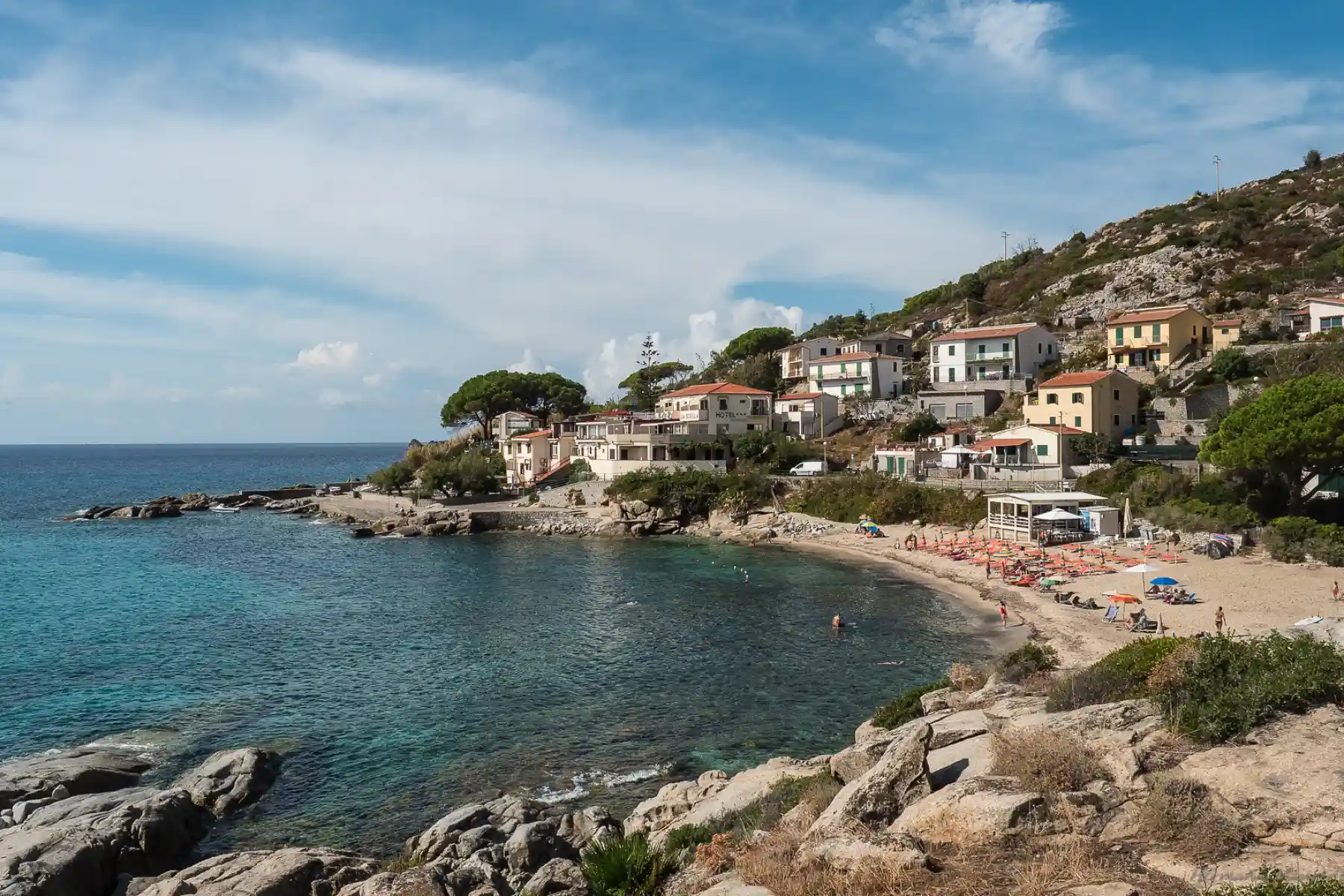
But you need only move along the coast towards the west to come upon Seccheto. In this small seaside village, the houses lap the water and rest on smooth cliffs, made of a granite so pale that it seems silver beneath the sun. On the beach of Seccheto and in nearby Cavoli, the scent of sea salt merges with the memory of the ancient Roman stonemasons, who cut here the monumental columns destined for the palaces and temples of imperial Rome.
In nearby Piane alla Sughera lies the most important prehistoric archaeological site on the island. On this silent plateau, once sown with marzolino wheat, stands an extraordinary megalithic necropolis dating back to the end of the Neolithic and the Copper Age.
Continuing along the granite paths, the colossal Pietra Murata appears, a strategic point for millennia, occupied from the Bronze Age until the Middle Ages, when the Pisans established a fortified lookout post against pirates.